Prepared by Earthworm Writing & Research Studio
By Eben van Tonder & Christa van Tonder-Berger, 25 February 2026
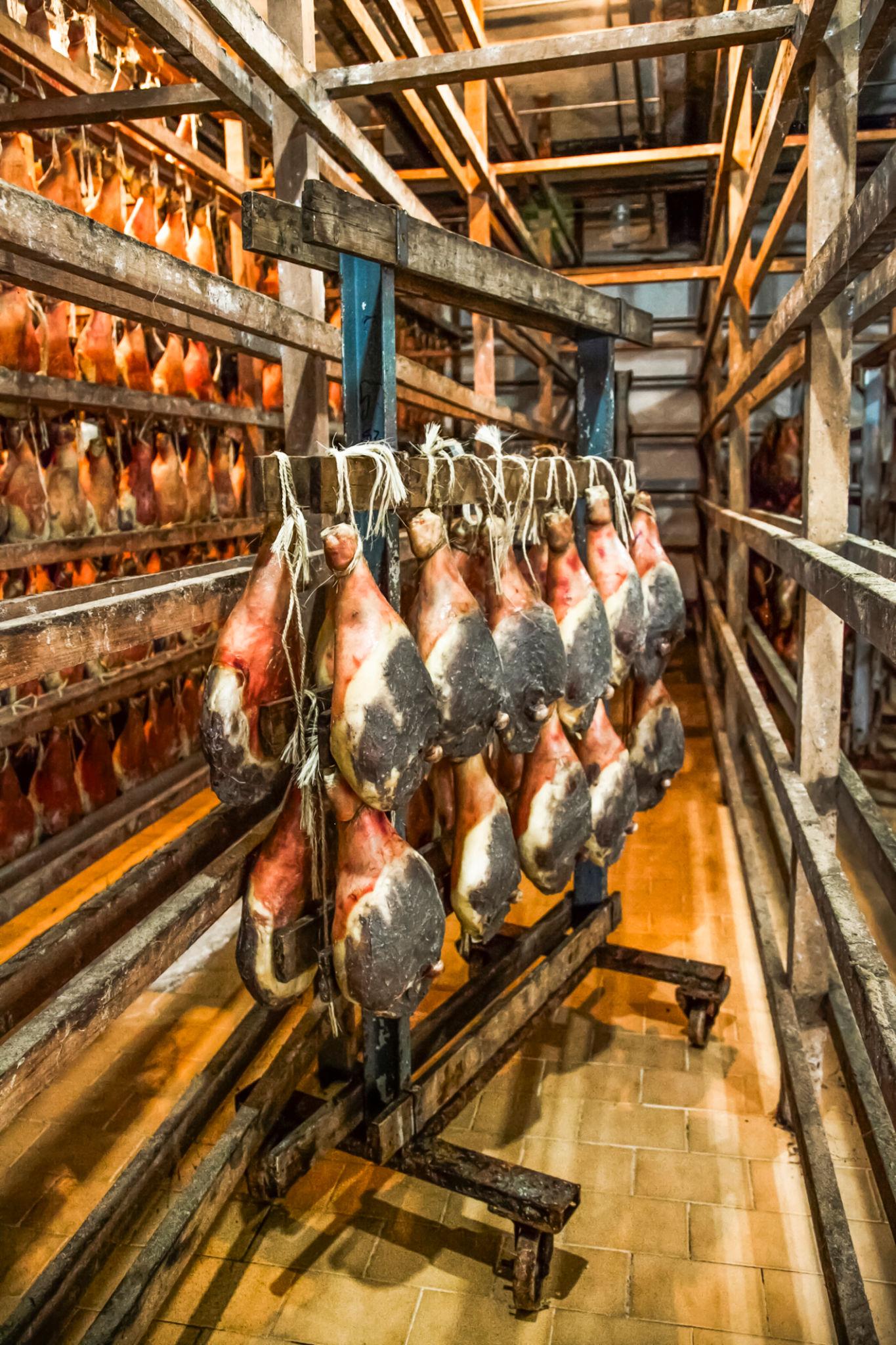
INTRODUCTION
Food preservation is older than writing. Before science could explain why salt, smoke, acid, and desiccation kept meat edible, generations of butchers, farmers, and soldiers knew that combinations of these methods worked better than any single approach applied alone. What was missing was not the practice but the conceptual architecture that could transform empirical craft into deliberate, reproducible science.
This document traces the intellectual history of that transformation: from William James Scott’s 1953 discovery that it is water activity — not water content — that governs microbial growth; through M. Loncin’s 1976 recognition that combining mild preservation factors could substitute for extreme single-factor interventions; to Lothar Leistner’s thirty-year construction of hurdle technology as a complete scientific system. It introduces the collaborators — Leon G.M. Gorris and Grahame W. Gould — who extended that system to encompass microbial physiology, homeostasis, and metabolic exhaustion. And it applies the accumulated understanding to the practical problems facing meat scientists today.
The intended reader is a working meat scientist or product development technologist who needs not only theoretical grounding but actionable hurdle parameters for specific product categories: from dry-cured biltong and kilishi to cooked whole-muscle hams, emulsified sausages, fermented cured products, and fresh meat under various packaging regimes.
The document concludes with an honest evaluation of High-Pressure Processing as a hurdle, a synthesis of what has been learned since the foundational papers, a new analysis of water activity across key product categories and three regulatory markets (EU, South Africa, and Mexico), and a considered view of what preservation science may look like fifty years from now.
A note on honesty and evidence: this document reports only what is supported by the peer-reviewed and primary literature cited, except where explicitly flagged otherwise. For the purposes of this document, ‘primary literature’ includes: (a) peer-reviewed journal papers; (b) recognised meat science and food science textbooks; (c) government regulatory instruments, official EU regulations, and agency compliance guidelines — which are primary sources for regulatory and legal claims, as they are in every peer-reviewed food safety publication; and (d) online professional forums where explicitly cited and labelled. This is consistent with standard citation practice in food science journals including the International Journal of Food Microbiology, Food Microbiology, and Meat Science. The regional water activity data for South Africa and Mexico in Section 2.7 are an acknowledged gap: peer-reviewed measurement studies for commercial meat products in those markets are substantially less available than for EU products, and the SA and MX ranges are labelled as indicative estimates throughout. Where evidence is incomplete, that is stated explicitly. No parameters are interpolated beyond what the data support.
SECTION 1: THE PIONEERS — THEIR LIVES AND THEIR SCIENCE
Science is made by people. The formal literature tends to strip them down to surnames and dates. This section restores something of the human dimension without sacrificing accuracy.
1.1 William James Scott — Establishing Water Activity as the Key Variable in Food Preservation Microbiology
Among the most influential conceptual contributions to food preservation microbiology is the work of William James Scott, an Australian microbiologist working in the mid-twentieth century, who demonstrated experimentally that water activity — not total water content — is the variable that governs whether microorganisms can grow in a food substrate. The concept of water activity as a thermodynamic quantity was not new: it derives from the physical chemistry of solutions and had long been used in other scientific contexts before Scott’s food science work. What Scott provided was the application of this thermodynamic quantity to microbial behaviour in foods, replacing the then-prevailing reliance on moisture content as the primary stability criterion, which had led to unexplained contradictions in practice. Scott’s 1953 and 1957 publications are foundational references in this area and remain the standard starting point in water activity and food microbiology. [Refs 1, 2]
In 1953, Scott published two landmark papers in the Australian Journal of Biological Sciences. The first concerned water relations of Staphylococcus aureus; the second, written with J.H.B. Christian, examined Salmonellae. In these papers, Scott demonstrated experimentally that what governed microbial growth was not the total water present in a substrate but the thermodynamic availability of that water — its activity, measured as the ratio of the vapour pressure of water in the food to the vapour pressure of pure water at the same temperature. This ratio, expressed as a dimensionless number between 0 and 1.0, became the water activity value (aw). [Refs 1, 2, 44]
Scott’s 1957 paper in Advances in Food Research systematised these findings and established limiting aw values for major groups of food spoilage and pathogenic organisms. These values have been influential in the development of regulatory criteria for intermediate-moisture foods in multiple jurisdictions, though the specific regulatory instruments that incorporate aw thresholds vary by country and product category, and their relationship to Scott’s original work is one of scientific foundation rather than direct derivation. [Ref 2]
Scott worked within the Australian CSIRO (Commonwealth Scientific and Industrial Research Organisation) system. What is certain is the magnitude of his contribution: the transition from moisture content to water activity as the primary microbiological control parameter opened the entire modern era of shelf-stable and intermediate-moisture food design.
Key contribution: Scott’s experimental work established that it is not how much water a food contains that determines whether microorganisms can grow in it, but how energetically available that water is — its thermodynamic activity. A food with 50% moisture content may be perfectly stable if the water is sufficiently bound to solutes or the food matrix; a food with 15% moisture may be microbiologically unstable if the water is entirely free. This distinction, now central to every hurdle system described in this document, was demonstrated with rigour and practical clarity in Scott’s 1953 and 1957 publications. [Refs 1, 2]
1.2 M. Loncin — The Quiet Precursor
Marcel Loncin was a Belgian food engineer whose 1976 work anticipated the hurdle concept without naming it or developing it into an applied system. Working on intermediate-moisture foods, Loncin observed that a mild reduction of water activity, when combined with other mild preservation interventions, could achieve microbial stability without the severe dehydration that sole reliance on aw reduction would require. [Refs 3, 4]
This was a conceptual breakthrough: the first formally articulated scientific claim that combinations could substitute for extremes. Loncin did not pursue it further into the applied domain, and he did not give it a name. The attribution is documented in Leistner and Gould (2002) and in secondary review literature rather than in a primary Loncin publication reviewed directly for this document. This attribution is noted with appropriate epistemic caution. What is not in doubt is that when Leistner later developed the hurdle concept, he acknowledged Loncin’s precursor contribution. [Ref 4]
1.3 Lothar Leistner — The Architect of Hurdle Technology
Lothar Leistner was a German food scientist and the central figure in the development of hurdle technology. He spent the core decades of his career at the Bundesanstalt für Fleischforschung (Federal Centre for Meat Research) in Kulmbach, Bavaria — an institution whose postal address on his correspondence was E.C. Baumannstrasse 20, D-95326 Kulmbach. His career spanned from the 1960s into the 2000s, during which he published continuously in German and English, and supervised or collaborated with researchers from dozens of countries. [Refs 3, 4, 5]
Leistner came to hurdle technology through water activity. His early research at Kulmbach was systematically focused on understanding how the availability of free water governed the microbial stability of meat and meat products. Over years of this work, a pattern emerged: aw alone could not fully account for the stability he observed. Products with identical aw values behaved differently depending on their pH, their nitrite content, their storage temperature, and the presence or absence of competing microorganisms. Something else was operating.
In 1976, working with W. Rödel and publishing jointly in a volume on intermediate-moisture foods, Leistner used the word ‘hurdles’ for the first time to describe the collective set of preservative factors acting on a food product. The conceptual diagram — a series of parallel barriers of varying heights that microorganisms must surmount — accompanied this usage. [Refs 3, 5, 6]
In 1978, Leistner formally introduced the hurdle effect as a scientific concept: the diagrammatic representation of multiple inhibitory factors acting simultaneously or sequentially on microbial populations in food. He noted the energy-saving implications — that mild combinations could replace severe single-factor treatments — in a publication titled ‘Hurdle effect and energy saving’ in the proceedings edited by Downey. [Ref 7]
In 1985, presenting at a NATO Advanced Study Institute on Properties of Water in Foods, Leistner derived the term ‘hurdle technology’ from the hurdle effect: the deliberate, intelligent design of food products in which multiple hurdles are selected, calibrated, and combined to work in concert. This was the pivotal conceptual shift — from observing that combinations work to deliberately engineering those combinations. The application demonstrated in the 1985 paper was to shelf-stable products (SSP) and intermediate-moisture foods (IMF) based on meat. [Ref 8]
Over the following fifteen years, Leistner documented more than sixty potential hurdles applicable to food products, applied the framework to foods from six continents, developed its relationship to HACCP (Hazard Analysis and Critical Control Points), and in 2000 published the foundational review in the International Journal of Food Microbiology that articulated the concept of multitarget food preservation — the idea that hurdles working simultaneously on multiple homeostasis mechanisms within a microbial cell produced effects greater than their individual contributions. [Refs 9, 10]
In 2002, Leistner and Grahame Gould published ‘Hurdle Technologies: Combination Treatments for Food Stability, Safety and Quality’ with Springer, the first monograph that comprehensively addressed all aspects, possibilities, and limitations of the approach. This work is the definitive reference. [Ref 4]
1.4 Leon G.M. Gorris — Homeostasis and the Living Hurdle
Leon G.M. Gorris is a Dutch food safety scientist whose career has been one of continuous, productive evolution from fundamental hurdle technology research to global food safety risk assessment. From 1990 to 1997 he worked at the Agrotechnological Research Institute (ATO-DLO) in Wageningen, the Netherlands. He joined Unilever in 1997, working in the UK, Shanghai, and the Netherlands, ultimately serving as Director for Regulatory Affairs. From 2002 to 2012 he held a part-time professorship as European Chair in Food Safety Microbiology at Wageningen University. He has held visiting professorships at three Chinese universities. As of the most recent sources reviewed for this document (2024 curriculum vitae), Leon Gorris was recently active as a freelance food safety consultant and ICMSF representative to Codex Alimentarius. [Refs 11, 12]
Gorris’s intellectual contribution to hurdle technology centres on the microbial physiology side of the equation. While Leistner focused predominantly on food-side factors — temperature, aw, pH, Eh, preservatives — Gorris brought rigorous attention to what those hurdles actually do inside the microorganism. His co-authored 1995 paper with Leistner in Trends in Food Science and Technology articulated the concepts of homeostasis, metabolic exhaustion, and stress reactions that have since become integral to advanced hurdle technology understanding. [Ref 13]
The homeostasis argument is central: microorganisms are not passive objects that either survive or die based on environmental conditions. They are active systems that invest metabolic energy in maintaining internal balance — internal pH, ion concentrations, turgor pressure, and redox state. When hurdles disturb these homeostasis mechanisms, the organism must spend energy to compensate. If multiple hurdles attack multiple systems simultaneously, the organism’s energy budget is overwhelmed and it can no longer maintain viability. This is the mechanism behind the synergistic effects observed in combined preservation systems. [Refs 9, 13]
Gorris also contributed substantially to the European Commission’s FLAIR project on combined food preservation (1990–1994), a multinational European research programme that tested hurdle combinations across 14 laboratories in 11 countries. He co-edited the final report with Leistner. [Ref 14]
In 2014 he updated the hurdle technology entry in the Encyclopedia of Food Microbiology (Second Edition), providing the most current authoritative synthesis of the field. He remains an active researcher and has published as recently as 2023. [Refs 11, 12]
1.5 Grahame W. Gould — Microbial Stress and the Spore World
Grahame W. Gould was a British food microbiologist who spent much of his career as a Senior Research Microbiologist at Unilever Research in the UK. He was a world authority on bacterial spores and on the mechanisms by which food preservation treatments inactivate or inhibit microorganisms. His contributions to hurdle technology focus on the intersection of physical preservation methods and microbial stress physiology — particularly what happens to bacterial cells and spores when they are subjected to sub-lethal treatments. [Refs 4, 15]
Gould’s 1995 chapter on ‘Homeostatic mechanisms during food preservation by combined methods’ in the volume ‘Food Preservation by Moisture Control: Fundamentals and Applications’ developed the theoretical framework for understanding how combined hurdles disrupt microbial equilibrium at the cellular level. This work formed a direct complement to Gorris’s contributions on the same theme. [Ref 15]
His co-authorship of the 2002 Springer monograph with Leistner represents the culmination of a long intellectual partnership. The book draws on both authors’ deep experience with practical food preservation and fundamental microbiology. Gould also edited a major volume on ‘New Methods of Food Preservation’ and wrote extensively on food irradiation. [Refs 4, 16]
SECTION 2: THE SCIENCE EXPLAINED
2.1 Water Content vs. Water Activity: The Critical Distinction
The confusion between water content and water activity is not merely academic; it has historically led to real preservation failures. Before Scott’s 1953 work, a meat processor who measured 18% moisture in a product and found it stable might have incorrectly concluded that 18% moisture was the safe threshold. A different product, also showing 18% moisture, might have spoiled, and the processor would have had no scientific framework to explain why. The explanation is aw.
Water activity (aw) is defined thermodynamically as the ratio of the fugacity of water in the food system to the fugacity of pure water at the same temperature and pressure.
| A plain-language explanation of ‘fugacity’ The word fugacity comes from the Latin fugere — to flee or escape. In thermodynamics, fugacity describes the tendency of a substance to escape from the phase it is in: a liquid, a solid, or a solution. It is essentially a measure of how ‘restless’ or ‘eager to leave’ a molecule is. For water in a food system: when water is bound tightly to proteins, salts, or sugars, it loses much of its drive to escape into the vapour phase above the food. Its fugacity — its escaping tendency — is reduced. When water is free and unbound, it escapes readily, and its fugacity approaches that of pure water. For practical food science purposes, fugacity at atmospheric pressure is essentially equivalent to vapour pressure under the near-ideal gas conditions that apply to water vapour at the low partial pressures relevant to food systems (fugacity coefficients approach 1.0 under these conditions). This is why the definition of water activity simplifies to: aw = (vapour pressure of water in the food) ÷ (vapour pressure of pure water at the same temperature) A food with many dissolved salts and sugars has water molecules that are energetically bound — their escaping tendency is suppressed — so the vapour pressure above the food is lower than above pure water. Hence aw < 1.0. Microorganisms require water with a high chemical potential (high aw) to hydrate their cells and carry out metabolism: the water must be energetically available to cross cell membranes and participate in biochemical reactions. When aw is reduced — when the water’s chemical potential and fugacity are lowered — an osmotic gradient is created across the microbial cell membrane that draws water out of the cell, forcing the organism to expend metabolic energy on osmoregulation. At sufficiently low aw, this osmotic stress overwhelms the organism’s homeostasis capacity and growth ceases. [Refs 9, 17] In short: fugacity in this context means ‘how much the water wants to leave the food’. High fugacity = high aw = microorganisms can grow. Low fugacity = low aw = microorganisms cannot access the water they need. |
For practical purposes at atmospheric pressure, the thermodynamic definition simplifies to the ratio of the equilibrium relative humidity (ERH) above the food to that above pure water, expressed as a decimal between 0 and 1.0. Pure water has an aw of 1.0; a food in which water is completely unavailable would have an aw of 0. [Refs 1, 2, 17]
The mechanisms that reduce aw in food systems fall into three categories:
- Osmotic effects: solutes (NaCl, sugars, polyphosphates) dissolved in the aqueous phase reduce the chemical potential of water, making it energetically less available to diffuse out of the food or into a microbial cell.
- Matric effects: water bound to the surfaces of biopolymers (proteins, polysaccharides) through hydrogen bonds, dipole-dipole interactions, and van der Waals forces is held with varying degrees of energy. This bound water has reduced vapour pressure and therefore lower aw.
- Capillary effects: in porous food matrices, water in small capillaries has reduced vapour pressure due to the curvature of the water-air interface, contributing to overall aw reduction.
The practical consequence is that two products with identical moisture contents can have very different aw values, and therefore very different microbiological stability. This is why moisture content alone is never an adequate specification for hurdle system design in meat products. [Refs 1, 2, 17]
Key aw thresholds for meat preservation, with their typical product associations across three regulatory regions:
| < 0.97 | Onset of useful inhibition | Some highly sensitive spoilage bacteria begin to be inhibited; effect is minor at this level [Ref 9] | Fresh pork (EU/SA/MX ~0.99); typical start of mild aw reduction | Minimal preservation value on its own |
| < 0.95 | Significant inhibition | Most gram-negative pathogens begin to be inhibited; specific limits vary by organism (e.g. Salmonella ~0.94, L. monocytogenes ~0.92) [Refs 9, 17, 44] | Pressed/sandwich ham (EU ~0.97; SA ~0.96–0.97 estimated; MX ~0.96–0.97 estimated) [Ref 22] | Chilling still essential; aw alone insufficient |
| < 0.91 | Ambient stability threshold | Most spoilage bacteria inhibited under typical conditions; chilling no longer essential if other hurdles present. Important exceptions remain (see S. aureus note above). [Refs 9, 17] | Traditional salami approaches this range as ripening progresses | Multiple supporting hurdles still required |
| < 0.87 | Major safety threshold | S. aureus toxin production inhibited below ~0.86–0.87 at 30°C [Ref 48]; growth minimum is ~0.83–0.86 depending on humectant and temperature — see note | Dry/hard salami EU ~0.85–0.88; SA ~0.86–0.90 (estimated); MX ~0.84–0.88 (estimated). Moist biltong upper limit (SA ~0.85–0.89; estimated — see Section 2.7) | Note: Growth minima and enterotoxin production minima for S. aureus are not identical and are both temperature-dependent. aw 0.87 is used as a conservative practical safety target for toxin production (at 30°C optimum). The growth minimum (~0.83–0.86 under optimal conditions) is lower, meaning the organism may still be alive and growing at conditions where toxin production is inhibited. Both thresholds must be considered in product design. [Refs 1, 2, 48] |
| < 0.85 | Shelf-stable dried meat threshold | Below aw 0.85 many vegetative bacterial pathogens are inhibited under typical conditions; however, important exceptions exist. S. aureus growth minimum is approximately 0.83–0.86 depending on organism, solute type, temperature, and pH [Ref 48] — meaning S. aureus is not reliably inhibited below 0.85 in all conditions. Yeasts and moulds may also still grow at and below this threshold. aw <0.85 is a useful product design target for many applications but must not be treated as an absolute inhibitory boundary without pathogen-specific validation. | Dry biltong SA ~0.65–0.75 (estimated — see Section 2.7); US-style jerky ~0.75–0.85; kilishi MX/NG ~0.55–0.70 (estimated); bacon (fully dry-cured only) | USDA FSIS identifies aw <0.85 as the threshold for shelf-stable RTE dried beef/jerky products: FSIS Compliance Guideline FSIS-GD-2023-0002 ‘RTE Fermented, Salt-Cured, and Dried Products’ (2023 revision, incorporating biltong) [Ref 46]. This is the authoritative current FSIS guidance document for dried meat products. |
| < 0.70 | Strong shelf stability | Most non-xerophilic spoilage moulds inhibited; xerophilic fungi (defined by their ability to grow at low aw) remain a concern — growth minima vary by species, with many xerophiles growing down to aw 0.65–0.70 and Xeromyces bisporus documented to aw ~0.61 (Pitt & Hocking, Fungi and Food Spoilage). Xerotolerant yeasts may also persist [Ref 47] | Fully dried biltong (SA ~0.65–0.68, estimated — see Section 2.7); kilishi (NG/MX ~0.55–0.70, estimated) | No refrigeration required; packaging moisture barrier critical |
| < 0.61 | Practical lower limit for biological activity | Below approximately aw 0.61, growth of organisms relevant to meat product food safety has not been observed under typical food system conditions. Xeromyces bisporus (aw growth minimum ~0.61) represents the recognised practical lower bound for food-relevant biological activity [Ref 47]; this is an empirical observation under studied conditions, not a universal absolute. Other conditions (unusual solutes, extended time, temperature extremes) are outside the scope of this practical lower bound. | Not typical for any commercial meat product under normal conditions | Theoretical lower bound; some confectionery and dry foods approach this |
Source: Scott (1953, 1957); Leistner & Rödel (1976); Leistner (1987, 2000). Product aw ranges: Petit et al. (2014); Jones et al. (2019); Heinz & Hautzinger (2007); Igwegbe et al. (2009). Where peer-reviewed measurement data for SA and MX products were not available in the primary literature reviewed, ranges were estimated from the closest available published data for comparable product categories. See the caveat paragraph in Section 2.7 for full qualification of regional estimates. [Refs 1, 2, 5, 9, 22, 24, 25, 27]
2.2 Three Levels of Bound Water in Meat Tissue
Meat is not a simple solution. It is a complex biological matrix of muscle fibres, connective tissue, lipids, minerals, and water existing in multiple energetic states. The concept of ‘three levels of bound water’ in meat tissue refers to a classification system used in meat science to describe the different ways water is associated with the meat matrix, each with a different susceptibility to removal and a different effect on aw. This concept emerges from physical chemistry and food physics research across several decades, including landmark work on water binding in proteins by Bull (1944), the BET (Brunauer, Emmett, Teller) sorption isotherm analysis, and subsequent NMR spectroscopy studies. [Refs 18, 19, 20]
Level 1: Tightly Bound Constitutional Water (Monolayer Water)
This is water directly associated with polar sites on protein molecules — the carbonyl, amino, carboxyl, and hydroxyl groups of myofibrillar and sarcoplasmic proteins. It forms essentially a monomolecular layer around the protein. This water has a greatly depressed vapour pressure, a much lower freezing point, and is essentially unavailable to microorganisms. It cannot be removed by simple pressing or drying without damaging the protein structure. It constitutes approximately 0.04–0.06 g water per gram dry solids in muscle tissue. This is the water described by Pauling (1945) and systematised through BET analysis of sorption isotherms. It is not measurably reduced by NaCl addition or osmotic agents. [Refs 18, 19]
Level 2: Immobilised or Multilayer Water
Beyond the monolayer, additional water molecules associate with the tightly bound layer through hydrogen bonding and dipole interactions. This ‘vicinal’ or multilayer water is less tightly held and has somewhat depressed vapour pressure compared to bulk water. It can be influenced by ionic environment — NaCl, for instance, competes for some of these binding sites, modifying the structure of this water fraction. This fraction is also influenced by the state of the protein matrix (native vs. denatured, swollen vs. compressed). NMR relaxation studies distinguish this fraction from both constitutional water and bulk water. [Refs 19, 20]
Level 3: Free Water (Bulk Water)
The remaining water in meat — typically the majority in fresh, unprocessed tissue — is ‘free’ water held in the spaces between muscle fibres and within the capillary structure of the tissue. It has activity approaching 1.0 (aw ~0.99 in fresh meat). This is the water that: can be expressed by physical pressure; evaporates readily during drying; freezes at approximately 0°C; provides the aqueous environment in which microbial cells can grow; and is directly accessible to solutes like salt, sugar, and curing agents. The water holding capacity (WHC) of meat, so important in processing, refers primarily to how well the muscle protein structure retains this free water fraction. [Refs 19, 20]
Practical significance for preservation design: Only the free water fraction is meaningfully accessible to solutes that reduce aw (NaCl, sugars, phosphates). When adding salt to a meat product, it is the free water that is affected first; the tightly bound fractions are not significantly altered. This means that the apparent effectiveness of salt or other solutes in reducing aw depends critically on the ratio of free to bound water in the specific matrix. Products with high collagen or denatured protein content — like cooked hams or emulsified products — have a different free-water distribution than raw whole-muscle cuts, and this affects how aw responds to a given salt addition.
2.3 The Hurdle Concept and the Hurdle Effect
Leistner’s diagrammatic representation of the hurdle concept depicts a series of parallel vertical barriers — ‘hurdles’ — of varying heights across a horizontal corridor through which microorganisms must travel. If the combined height of hurdles exceeds the capacity of the microorganism to overcome them, the product is stable. If any combination of factors brings the hurdles to a level the organism cannot surmount, spoilage and safety are controlled. [Refs 3, 4, 5]
The key features of the hurdle effect that Leistner identified through his Kulmbach research are:
- Hurdles interact: the effect of one hurdle is not independent of others. A modest reduction in aw combined with a modest reduction in pH produces an inhibitory effect greater than either would produce alone. This synergy is now understood in terms of the metabolic cost of responding to multiple simultaneous perturbations.
- Hurdle sequence matters: in fermented products like salami, hurdles are encountered sequentially as the product ripens. The initial hurdles (salt, nitrate) select for lactic acid bacteria; these bacteria then create the pH hurdle through acidification; the final hurdle as ripening completes is water activity from desiccation. Disrupting this sequence disrupts the product.
- Hurdle intensity can be traded: a very high single hurdle (e.g., extreme cooking) can substitute for a combination of mild hurdles. The practical value of hurdle technology is that mild combinations preserve quality attributes better than severe single treatments.
- Initial microbial load matters (the ‘booster effect’ and ‘trampoline effect’): if initial contamination is high, hurdles that would suffice for a normal product may be insufficient. Conversely, sub-lethally damaged organisms — organisms that have survived a moderate heat treatment, for instance — may require fewer and lower hurdles to inhibit, since their vitality and homeostasis capacity have been compromised. [Refs 5, 9, 13]
2.4 The Principal Hurdles: A Systematic Catalogue
Leistner identified over sixty potential hurdles in his systematic surveys of food preservation factors. The following table presents the primary hurdles applied in meat science, with their mechanisms and practical ranges. [Refs 4, 9, 10]
| Hurdle | Symbol | Mode of Action | Practical Range (Meat) |
| Temperature (heat) | F | Protein denaturation, enzyme inactivation, membrane disruption | 70°C core for 2 min (pasteurisation equivalent for most vegetative pathogens); 121°C for commercial sterilisation. These are reference targets; actual validated parameters must be established per product and regulatory jurisdiction. [Ref 22] |
| Chilling | t | Slows enzyme and microbial metabolism; no kill | 0–5°C refrigeration; <−18°C frozen. [Ref 22] |
| Water Activity | aw | Reduces available water; osmotic stress on microbes; disrupts turgor and ion balance | 0.60–0.99 in meat products; shelf stability thresholds are product and hazard specific (e.g., aw <0.85 for US RTE dried beef per FSIS-GD-2023-0002 [Ref 46]; <0.70 for ambient-stable biltong [Refs 24, 25]); must be established by product category, not a single universal rule. [Refs 9, 17] |
| Acidity | pH | Undissociated organic acids penetrate membranes; intracellular acidification; enzyme inhibition | pH 4.6 is the critical regulatory threshold below which proteolytic Cl. botulinum cannot grow in low-acid preserved foods — this is a regulatory criterion (FDA 21 CFR 114; Codex) grounded in extensive experimental data [Refs 4, 9]; pH 5.0–5.5 broadly inhibitory for many organisms at ambient conditions; most cured meat products operate above pH 5.5 and rely on multiple combined hurdles, not pH alone. [Ref 22] |
| Redox Potential | Eh | Aerobic spoilage inhibited at low Eh; anaerobic pathogens inhibited at high Eh | Approximate typical values (system- and condition-dependent): vacuum-packed meat −100 to −200 mV; aerobic surface conditions approximately +200 to +300 mV; values vary with electrode system, temperature, microbial activity, and packaging film permeability — treat as indicative only. [Refs 9, 22] |
| Nitrite/Nitrate | Pres. | Inhibits Cl. botulinum outgrowth; reacts with myoglobin (colour); antioxidant; antimicrobial at pH<6 | Ingoing (added) nitrite levels are jurisdiction- and product-specific: EU up to 150 ppm ingoing for most cured products (Annex II to Reg. (EC) 1333/2008 [Ref 53]); US max 156 ppm ingoing for bacon, 200 ppm for other cured meats (21 CFR 172.175 [Ref 54]); SA follows EU-aligned limits (R.1183 [Ref 52]). Note: ingoing limits refer to the amount added during manufacture — residual levels in the finished product are lower and vary by product type and storage time. Nitrate permitted in long-cure dry products; verify applicable regulation for each category. |
| Sodium Chloride | NaCl | Reduces aw; ionic disruption; membrane stress on gram-negatives | 1.5–4% in cooked products; 3–8% in dry-cured; 10–20% in charqui. [Ref 22] |
| Competitive Flora (LAB) | CF | Produce lactic acid (pH drop), bacteriocins, competitive exclusion | >10^7 cfu/g in fermented sausages at peak acidification. [Refs 9, 22] |
| Modified Atmosphere | MAP/VP | O2 removal inhibits aerobic spoilage; CO2 bacteriostatic; N2 inert filler | VP: <0.5% O2. MAP gas mix varies by product category: retail red meat typically 70–80% O2 / 20–30% CO2 (to maintain oxymyoglobin bloom); retail poultry/pork typically 0% O2 / 30% CO2 / 70% N2; cooked RTE products typically vacuum or CO2/N2. Gas mix selection depends on product, film permeability, temperature, and target shelf life — these are commonly reported ranges, not universal specifications. [Ref 29] |
| Smoke | Smoke | Phenols (antimicrobial, antioxidant); formaldehyde (antimicrobial); drying effect on surface | Cold smoke 20–25°C; hot smoke 60–80°C; liquid smoke application. Antimicrobial contribution is surface-limited and should not substitute for core hurdles. [Ref 22] |
| Phosphates | Phos. | Chelate metal ions; modify protein hydration; indirect aw effect; antimicrobial synergy with salt | 0.1–0.5% in cooked products (regulatory limits vary by jurisdiction — verify Reg. 1333/2008 EU, 21 CFR US). [Refs 22, 53] |
| Sorbate/Sorbic acid | Sorb. | Disrupts membrane transport; inhibits moulds, yeasts, and some bacteria | 0.05–0.2% (regulatory limits apply — verify Reg. 1333/2008 EU, 21 CFR US); most effective pH <6. [Ref 53] |
| Irradiation | Rad. | DNA damage; radical generation; inactivates vegetative cells; spores more resistant | Typical dose ranges from published literature and regulatory approvals: 1–2 kGy: pathogen reduction on fresh meat surfaces (decontamination); 3–7 kGy: radicidation — substantial reduction of vegetative pathogens including Salmonella and L. monocytogenes; commercial sterility (spore elimination) requires approximately 25–45 kGy — well above doses approved or routinely used in meat practice. These ranges are drawn from Farkas (1998) [Ref 55] and regulatory approvals under Codex STAN 106-1983 (Rev. 2003); all dose applications require regulatory authorisation and product-specific validation. |
| High Pressure (HPP) | HHP | Membrane disruption; protein denaturation; inactivates vegetative cells; spores more resistant | Typical published ranges: 300–600 MPa, 2–5 min at chilled temperature; these are ranges reported in the published literature, not universal guidance — all parameters must be validated per product, target organism, matrix composition, and regulatory requirement. [Refs 30, 31] |
| Bacteriocins (Nisin) | Bac. | Disrupt gram-positive cell membranes (pore formation); most active against gram-positive organisms | Typical concentrations in published studies: 2–10 mg/kg [Refs 9, 22]; regulatory status and permitted use levels vary by jurisdiction — verify Reg. 1333/2008 (EU) [Ref 53], GRAS status (US), and applicable national regulations before inclusion in commercial formulations; limited activity vs gram-negatives. |
| Organic Acids | OA | Acetic, lactic, citric acids: undissociated form enters cell; intracellular acidification; chelation | Acetic (0.5–2%); Lactic (1–3%); surface or dip application. [Ref 22] |
Sources: Leistner (1995, 2000); Leistner and Gould (2002); Gorris (2014); Heinz & Hautzinger (2007); Barbosa-Cánovas et al. (2007); Belcher (2006); Farkas (1998). Regulatory citations: Reg. (EC) 1333/2008 [Ref 53]; 21 CFR 172.175 [Ref 54]. Each row carries an inline citation to the primary source for its numeric threshold. [Refs 4, 9, 10, 12, 22, 29, 53, 54, 55]
2.5 Homeostasis, Metabolic Exhaustion and Stress Reactions
The mechanistic understanding of why hurdle combinations work better than would be predicted by simply adding their individual effects required a shift of perspective from the food to the microorganism. This shift was articulated most clearly in the work of Gorris and Gould, building on the broader field of bacterial stress physiology. [Refs 13, 15]
Microorganisms maintain internal homeostasis — stable intracellular pH, ion concentrations, turgor pressure, and redox state — through active energy-consuming mechanisms. Each hurdle in a food system disrupts one or more of these homeostatic systems:
- Low aw: creates osmotic stress. The cell responds by accumulating compatible solutes (betaine, glutamate, potassium ions) to maintain turgor. This costs energy (ATP).
- Low pH: acidifies the external environment. Protons tend to flow into the cell, threatening intracellular acidification. The cell responds by pumping protons out using ATPases. This costs energy.
- Low Eh / reducing atmosphere: disrupts the electron transport chain and creates a challenge for aerobic organisms that require oxygen as a terminal electron acceptor.
- Nitrite: generates reactive nitrogen intermediates; inhibits specific enzymes including cytochrome c oxidase; creates oxidative stress.
- Elevated temperature (mild heat stress): causes protein unfolding; triggers heat shock protein response; costs energy.
When only one hurdle is present, the organism can often compensate by investing metabolic resources in a targeted homeostatic response. When multiple hurdles simultaneously attack multiple homeostasis systems, the organism’s energy budget is overwhelmed. It cannot maintain all its homeostatic responses simultaneously. Under these conditions, the organism enters a state of metabolic exhaustion and eventually loses viability. [Refs 9, 13, 15]
An important practical corollary: organisms vary in the degree to which different hurdles engage their homeostasis systems. Staphylococcus aureus has exceptionally good osmotic tolerance. Its growth minimum is reported at approximately aw 0.83–0.86 depending on the humectant (NaCl-adjusted systems tend to give slightly lower minima than glycerol-adjusted systems), and toxin production has been demonstrated down to approximately aw 0.86–0.87 at 30°C under optimal conditions, with higher minima at lower temperatures [Refs 1, 48]. Growth minima and enterotoxin production minima are not identical and are both temperature-dependent; a product that inhibits toxin production may still support S. aureus growth, so both thresholds must be tracked independently in any risk assessment. These variable minima make S. aureus harder to inhibit by aw reduction alone than, say, Listeria monocytogenes (growth limit ~0.92 [Ref 17]) or Salmonella species (limit ~0.94 [Refs 9, 44]). Effective hurdle design must be targeted to the relevant organisms of concern for the specific product, not to a generic ‘microbial’ threshold. [Refs 9, 17]
Stress reactions also complicate naive hurdle design. Organisms subjected to sub-lethal stress can develop cross-tolerance: acid stress can induce acid tolerance responses that also make the organism more tolerant of osmotic stress. This means that a mild acid hurdle intended to weaken an organism might inadvertently enhance its resistance to a salt hurdle. This is one reason why hurdle technology cannot be reduced to simple parameter tables and requires ongoing validation through challenge studies. [Ref 17]
2.6 The Multitarget Concept and Its Implications
In his 2000 paper in the International Journal of Food Microbiology, Leistner introduced the concept of multitarget food preservation — the idea that optimal hurdle systems should be designed not merely to overwhelm microbial homeostasis through brute force but to simultaneously attack multiple distinct targets within the microbial cell. [Ref 9]
This concept drew explicitly on analogy with antibiotic resistance: antimicrobials that target multiple cellular systems simultaneously are less prone to resistance development than those targeting a single pathway. The same principle applies in food preservation. Hurdle combinations that attack cell membranes, intracellular pH, enzyme function, and DNA simultaneously are likely to be more robustly effective — and less vulnerable to organisms with single-mechanism resistance — than combinations that predominantly target only one system.
The practical implication for product development is that the best hurdle systems are not simply the maximum safe concentration of each individual preservative stacked together, but intelligently selected combinations that address different cellular targets. A combination of aw reduction (osmotic target), pH reduction (intracellular acidification target), nitrite (enzyme and electron transport target), and chilling (slowed metabolic response) attacks four different cellular systems simultaneously, making microbial adaptation and resistance considerably harder to achieve.
2.7 Typical Water Activity Values for Key Meat Products Across Regulatory Markets
The following table provides typical aw ranges for eight commercially significant meat product categories across three regulatory regions: the European Union, South Africa, and Mexico. These values represent the range commonly achieved in legitimate commercial production in each market; they are not regulatory limits (except where stated) but reflect the practical outcome of standard formulation and processing practices in each region.
The differences between markets arise from: differing regulatory moisture limits, different consumer preferences for salt level and texture, different ingredient access and cost, and different traditional product heritage. Cold chain reliability is a possible contributing factor in formulation target differences — Heinz & Hautzinger (2007) note that processors in markets with less reliable distribution temperature control may target lower moisture endpoints as a precautionary measure [Ref 22] — but this is a plausible technical inference rather than a systematically studied market behaviour variable.
| Product | European Union (peer-reviewed measured ranges) | South Africa (ESTIMATED — see Section 2.7 caveat) | Mexico (ESTIMATED — see Section 2.7 caveat) | Stability Category | Notes |
| Salami (dry-fermented) | 0.82–0.88 (hard); 0.88–0.92 (semi-dry) [Refs 9, 22] | 0.85–0.92 (estimated; typically higher moisture than EU product — see Section 2.7) | 0.84–0.90 (estimated; chorizo type; semi-dry Mexican variants higher — see Section 2.7) | Ambient stable (hard); refrigerated (semi-dry) | EU hygiene requirements under Reg. 853/2004; product identity standards for fermented sausages vary by member state. SA and MX: no formal aw floor identified in sources reviewed for this document; product design varies. |
| Bacon (wet-cured) | 0.95–0.97 [Ref 22] | 0.95–0.97 (estimated — see Section 2.7) | 0.95–0.97 (estimated — see Section 2.7) | Refrigerated (chilling essential) | aw virtually identical globally. NaCl 1.8–2.5% in most commercial practice (Heinz & Hautzinger 2007; Ref 25). Nitrite is the primary Cl. botulinum hurdle in most commercial cured bacon practice across all three markets — inference based on standard cured meat technology; verify for specific product categories and jurisdictions. [Refs 5, 22, 25] Dry-cured belly bacon lower: ~0.88–0.93. |
| Biltong (beef/game) | Not a traditional EU product; imported product typically matches SA spec: 0.65–0.75 (dry) [Refs 24, 25] | Dry: 0.65–0.75 [Ref 24]; moist/wet: 0.85–0.89 [Refs 24, 25] | Not a traditional MX product; niche/imported; typically matches SA dry specification | Dry: ambient stable. Moist: refrigerated required | No aw specification for biltong was identified in the South African legislative sources reviewed for this document (Act 54 of 1972 [Ref 51]; R.1183 Processed Meat Regulations [Ref 52]; SANS 1825 not available in full text for review). Peer-reviewed challenge study evidence: Gavai et al. (2022) demonstrated that aw <0.85, achieved after 6–8 days drying, was the critical threshold for >5-log pathogen reduction in biltong without a heat lethality step [Ref 26]. Moist biltong at aw 0.85–0.89 has not reached this validated threshold. At aw above 0.85, S. aureus, L. monocytogenes, and E. coli O157:H7 may grow depending on pH, temperature, salt, and packaging — so cold chain management and process validation are required. The FSIS aw <0.85 shelf-stability criterion [Ref 46] is consistent with this peer-reviewed evidence. This is an inference from aw threshold and challenge study data; it is not based on confirmed outbreak data in South African commercial product. |
| Jerky (beef) | ~0.72–0.80 (EU import/niche; follows US-style specification where formal spec absent) | ~0.75–0.82 (SA-produced; no formal aw floor identified in sources reviewed — see Ref 52) | ~0.72–0.82 (cecina and machaca-type products; traditional drying level varies — estimated, see Section 2.7) | Ambient stable | USDA FSIS identifies aw <0.85 for shelf-stable RTE dried beef (FSIS-GD-2023-0002, 2023) [Ref 46]. Neither SA nor MX has a directly equivalent published regulatory threshold for dried meat products. |
| Kilishi / cecina-type | Not a traditional EU product; rarely imported | Kilishi/suya are West African traditional products; not part of mainstream SA commercial meat product categories in sources reviewed for this document. | Cecina (MX traditional): ~0.72–0.82; artisanal sun-dried variants lower, ~0.55–0.70 | Ambient stable when adequately dried | Mexican cecina (dried salted beef/pork, often from Yecapixtla) occupies the closest functional niche. aw highly variable; artisanal product inconsistency is a recognised potential food safety concern in products of this type (variable aw implies variable microbiological stability) — inferred from aw principles rather than product-specific outbreak data. |
| Pressed cooked ham (restructured) | Cooked: 0.970–0.985 [Ref 22] (high moisture; EU rules for added water in cooked ham products are established under product-specific compositional regulations, not the hygiene regulation 853/2004) | 0.966–0.980 (estimated — slightly lower moisture than EU due to less stringent WHC claims) | 0.965–0.980 (estimated — moisture content varies by price point) | Refrigerated (chilling essential) | aw effectively controlled only by salt and chilling. Polyphosphates improve WHC but do not reduce aw. Hydrocolloids (carrageenan, starch) in economy grades improve water holding and reduce purge loss; they do not directly reduce aw (see Section 2.8), and aw must be measured on the finished product rather than estimated from formulation — see the Section 2.8 caveat. Note: EU rules for added water declaration in meat products are established under Regulation (EU) 1169/2011 Annex VI Part A point 6, which requires ‘with added water’ to appear in the product name when added water exceeds 5% in products having the appearance of a cut, joint, slice, or portion. This is a labelling/naming rule, not a compositional maximum. Commission interpretive guidance (OJ C 196, 8.6.2018) clarifies application scope. [Refs 49, 50] |
| Sandwich ham / sliced cooked ham | 0.970–0.983 [Ref 22] (similar to pressed ham; slice format increases L. monocytogenes risk) | 0.965–0.980 (estimated — see Section 2.7) | 0.960–0.978 (estimated — see Section 2.7) | Refrigerated + MAP/vacuum | Product is essentially pressed cooked ham in sliced/shaved format. Cold chain and packaging integrity dominate safety. HPP increasingly used in EU and premium SA export products. |
| Whole muscle ham (intact; cooked or semi-dried) | Cooked: 0.955–0.975 [Ref 22]; dry-cured (e.g. Prosciutto): 0.88–0.92 (PDO products); Serrano/Ibérico 0.82–0.88 [Refs 9, 22] | Cooked gammon: 0.955–0.975 (estimated — see Section 2.7); no indigenous long-dry-cured tradition at scale in sources reviewed | Cooked: 0.955–0.975 (estimated — see Section 2.7); Pierna curada (MX dry-cured whole leg): ~0.88–0.93 (estimated) | Cooked: refrigerated. Long-cure: ambient stable at lower aw ranges | Dry-cured EU products (Prosciutto, Serrano, Ibérico) have specific PDO/PGI aw targets. SA and MX lack equivalent regulatory PDO frameworks; dry-cured whole muscle hams are niche/artisanal. |
Sources for EU ranges: Petit et al. (2014); Jones et al. (2019); Heinz & Hautzinger (2007); Igwegbe et al. (2009); Leistner & Rödel (1976). Sources for SA and MX ranges: available published literature combined with regional technical knowledge where primary peer-reviewed measurements are absent. SA and MX ranges are INDICATIVE ESTIMATES, not peer-reviewed measurements, and are clearly distinguished from the EU and international data in this table. [Refs 1, 2, 5, 9, 22, 24, 25, 27]
Important caveat: the South African and Mexican aw data in this table are indicative estimates derived from available published literature and regional technical knowledge. They are NOT peer-reviewed measurements from primary studies of commercial SA and MX products. Primary peer-reviewed aw measurement studies for those markets are substantially less available than for EU products. Where this table states ranges for SA or MX, this should be treated as a working estimate only. Producers in those markets must conduct their own aw measurements on their specific products and should not rely on these estimates for regulatory compliance purposes.
2.8 Hydrocolloids in Modern Meat Formulation: Impact on Water Activity
The widespread adoption of hydrocolloids in meat processing — accelerating significantly since the 1990s and now essentially standard practice in cooked and restructured products worldwide — raises an important and frequently misunderstood question for preservation science: do hydrocolloids reduce water activity, and if so, does this provide a meaningful additional preservation hurdle?
The short answer, supported by the technical literature, is: no, not in any practically significant sense. This section explains why, and discusses the implications for hurdle system design in hydrocolloid-containing formulations.
Hydrocolloids — a category that includes carrageenans, modified starches, gelatin, konjac glucomannan, methylcellulose, xanthan gum, inulin, and alginates — function in meat products primarily by binding or immobilising free water (Level 3 water in the classification of Section 2.2). They improve water-holding capacity (WHC), reduce cook loss, improve yield, and modify texture. Their water-binding mechanism is physical rather than thermodynamic: they trap water within a gel matrix or viscous solution, reducing its mobility without substantially reducing its thermodynamic activity.
The critical thermodynamic distinction: Bound water in a hydrocolloid gel is not the same as osmotically depressed water. Salt (NaCl) reduces aw by dissolving in water and interacting with water molecules at the molecular level, genuinely reducing their chemical potential and vapour pressure — their fugacity. Hydrocolloids physically trap water within a gel network; the trapped water retains essentially the same thermodynamic activity (aw) as it would if free, because it is not chemically interacting with the water molecules at the molecular level in the same way solutes do. A carrageenan gel made with pure water has an aw approaching 1.0.
At typical food-grade use concentrations in meat products (generally 0.1–2% for most hydrocolloids), the aw depression achievable is negligible — certainly below the level of microbiological significance and at or below the practical measurement threshold of most commercial aw instruments. The thermodynamic basis for this is well established: the aw depression attributable to a solute is proportional to its molar concentration (Raoult’s law), and high-molecular-weight polymers such as carrageenan and starch contribute very few moles per gram of product even at 1–2% inclusion rates. The quantitative consequence is that hydrocolloids at food use levels do not function as aw hurdles in any measurable or meaningful sense. Any claim that adding carrageenan or modified starch to a cooked ham ‘reduces aw’ is technically incorrect at practical use levels. [Ref 17]
An important formulation implication: in products where hydrocolloids significantly reduce cook loss, the finished product retains more total water than it would without the hydrocolloid. This changes the moisture-to-salt ratio in the product, which is one of several interacting factors that determine final aw alongside protein denaturation, gelation, moisture migration, and equilibration dynamics during cooking and cooling. Because these interactions are complex and product-specific, aw cannot be reliably predicted from formulation in hydrocolloid-containing products — it must be measured on the finished, post-cook product. This is the sole operationally reliable approach. [Ref 17]
The table below summarises the major hydrocolloids used in the meat industry and their effects on water activity:
| Hydrocolloid | Typical Use Level in Meat | Direct Effect on aw | Net Preservation Effect | Practical Implications |
| Carrageenan (iota, kappa) | 0.5–2% | Negligible direct aw reduction at use levels | No direct aw hurdle benefit; improves water holding and cook yield. Finished product aw must be measured — do not estimate from formulation. | Used widely in injection-brined hams and cooked products. Does not function as an aw hurdle. |
| Modified starch (phosphate, acetylated) | 1–5% | Very slight — effectively zero at food-grade use levels | Neutral to negligible; no direct aw reduction. Higher retained moisture changes moisture-to-salt ratio and other interacting factors in ways that affect final aw — direction and magnitude are product-specific and cannot be calculated from formulation. aw must be measured on the finished product. [Ref 17] | Often used in economy cooked hams and canned products. Not a preservation tool; aw must be measured on the finished product. |
| Methylcellulose / HPMC | 0.1–1% | Negligible | No meaningful preservation contribution | Used in fat reduction and texture. No aw benefit. |
| Xanthan gum | 0.05–0.3% | Negligible | None | Viscosity/texture modifier. Provides no antimicrobial benefit. |
| Gelatin | 0.5–3% | Negligible direct; in gel form immobilises water | Neutral to negligible; no aw reduction | Used in pressed hams, aspic products. Bound water in gelatin gel does not represent aw reduction — it still has activity approaching the original free water value. |
| Konjac glucomannan | 0.1–0.5% | Negligible | None as preservation hurdle | High water-binding; used in combination with carrageenan. No direct aw function. |
| Inulin (prebiotic fibre) | 1–5% | Very slight osmotic effect at high concentrations — not practically significant | Negligible | Used in reduced-fat and functional meat products. At typical use levels, aw effect is not measurable. |
| Alginate | 0.3–1.5% | Negligible | None as preservation hurdle | Used in restructured products (meat binding without heat). No aw contribution. |
Sources: Barbosa-Cánovas et al. (2007); Offer & Trinick (1983); Heinz & Hautzinger (2007); Leistner (2000); Bull (1944); Fennema (1973). [Refs 9, 17, 18, 19, 20, 22]
Implications for hurdle system design in hydrocolloid-containing products:
- Do not rely on hydrocolloid additions to contribute a meaningful aw hurdle. The aw in a cooked ham or pressed product containing carrageenan or modified starch will be governed almost entirely by salt concentration, cook yield, and moisture content — not by the hydrocolloid.
- When reducing salt (and therefore aw) in reformulation, the addition of hydrocolloids to maintain texture and yield does not compensate for the reduction in the aw hurdle. Each element must be separately assessed.
- aw measurements of hydrocolloid-containing products should be made on the finished, post-cook product, not calculated from formulation. The interaction of cook temperatures, protein denaturation, hydrocolloid gelation, and moisture migration during cooking makes calculated aw predictions unreliable.
- In the context of shelf life modelling (Section 5.1), hydrocolloid-containing products should be assigned their measured aw value. Predictive models that use formulation salt as a proxy for aw will overestimate the preservation contribution in high-WHC formulations with low drip loss.
2.9 Hydrocolloids in Protein-Network Meat Systems: Managing Purge and Surface Moisture Without Claiming aw Reduction
Foundational statement: Hydrocolloids do not function as aw hurdles at typical use levels in meat products. This has been established in Section 2.8. The purpose of this section is different: it is a practical process guide for operators who want to manage purge, surface exudate, and water mobility — without making preservation claims that cannot be supported. aw must still be achieved and verified using true aw hurdles: NaCl, drying, fermentation, and other solute-based or moisture-removal processes. Hydrocolloids assist with product quality, yield, and structural performance. They do not substitute for any element of a validated hurdle system. [Refs 9, 17, 22]
The practical objective stated precisely
What hydrocolloids can legitimately accomplish in cooked and restructured meat products, correctly framed:
- Reduce cook-out purge: retain water within the protein-gel matrix during the thermal processing step, increasing finished product yield.
- Reduce surface exudate: prevent pooling of free water on the cut or sliced surface of the product post-cook or post-chill.
- Reduce water mobility: increase the viscosity of the water phase in batter systems, slowing migration of free water to surfaces or interfaces.
- Improve bind and sliceability: produce a cohesive protein-hydrocolloid gel network that holds muscle pieces together and resists slice fracture.
- Reduce micro-niche wetness: eliminate localised wet interfaces between muscle pieces or between product and packaging that can support surface microbial growth at higher localised aw.
What hydrocolloids cannot accomplish, and what must not be claimed: Hydrocolloids do not make water thermodynamically unavailable to microorganisms. Microbes respond to water activity (aw) — a thermodynamic property reflecting the chemical potential of water and its vapour pressure. They do not respond to the physical mobility or location of water in a gel network. A microorganism on the surface of a carrageenan-gel cooked ham has access to water at the thermodynamic activity of that water, which is determined by salt concentration and protein interactions — not by whether the water is held within a hydrogel. The concept of ‘bound water’ as a microbial barrier is thermodynamically incorrect at hydrocolloid use levels. [Refs 9, 17]
Practical decision guide by product format
The table below provides hydrocolloid selection and inclusion guidance for four common cooked and restructured product formats. All functional objectives are framed as yield and purge controls. Preservation validation requirements are stated separately and explicitly.
| Product Format | Primary Purge / Bind Problem | Recommended Hydrocolloid(s) and Inclusion Range | Primary Functional Goal (NOT aw reduction) | Validation Requirement |
| Cook-in-bag whole muscle ham (injection-brined) | Cook-out purge collects in bag; gel in bag; surface wet on opening | Carrageenan (iota/kappa blend): 0.5–1.5% on finished product weight; optionally konjac glucomannan 0.1–0.3% in blend for gel firmness [Refs 20, 22] | Reduce cook-out; eliminate bag gel pocket; improve slice quality and surface dryness at point of slicing | Measure aw on finished chilled product — do not calculate from brine formulation. If shelf life target is extended beyond established baseline, conduct challenge study at measured aw with L. monocytogenes and S. aureus |
| Moulded / formed cooked ham (pressed in mould) | Protein network incomplete; purge between muscle pieces; surface exudate on demould | Carrageenan: 0.5–1.5%; modified starch (acetylated distarch phosphate): 1–3% as secondary binder [Refs 20, 22] | Improve inter-muscle protein bind; reduce demould purge; reduce surface wetness that creates microbial micro-niches at slicing | Measure aw on worst-case (outermost) slice. Elevated surface wetness from reduced purge does not imply lower aw — measure to confirm. Shelf life challenge testing mandatory if salt is reduced simultaneously |
| Comminuted / fine emulsion (Frankfurter, Vienna, Mortadella type) | Emulsion instability; fat-water separation; visible exudate under casing on peeling | Carrageenan: 0.3–0.8%; methylcellulose or HPMC 0.1–0.5% for hot-gel bind in high-fat systems [Ref 22] | Stabilise fat-water emulsion; eliminate exudate under casing; maintain smooth cross-section and sliceability | aw governed by salt level in water phase, not by carrageenan or starch addition. Any reformulation reducing NaCl must re-measure aw. Challenge testing if nitrite level or NaCl level is reduced as part of clean-label reformulation |
| Restructured whole muscle (transglutaminase-bound or alginate-set) | Water migration out of muscle pieces post-set; surface pooling; poor slice integrity | Alginate (cold-set with calcium): 0.3–1.5% for structural binding; carrageenan 0.3–1.0% as secondary binder for WHC within pieces [Ref 22] | Maintain structural integrity during slicing; reduce inter-piece water migration; reduce surface pooling that creates localised elevated-aw micro-environments on the slice surface | Transglutaminase and alginate provide structural bind — not aw hurdles. aw is determined by salt and moisture content of the meat pieces. Measure aw on assembled and sliced product. If surface pooling is eliminated, do not assume aw has fallen — measure it |
Sources: Offer & Trinick (1983); Heinz & Hautzinger (2007); Barbosa-Cánovas et al. (2007). [Refs 17, 20, 22]
Per-hydrocolloid-class functional mechanisms and validation requirements
The following table summarises the primary functional mechanism of each hydrocolloid class in meat batter or brine systems, the yield effect and its aw implication, and the validation requirement arising from that yield effect. Citations are to peer-reviewed literature and meat science textbooks only.
| Hydrocolloid Class | Primary Functional Mechanism in Meat Batter / Brine | Yield Effect and aw Implication | Validation Requirement |
| Iota and kappa carrageenan | Electrostatic interaction with positively charged myosin heads during gelation; forms a continuous hydrogel network around protein strands that traps free water released during cooking. Network is thermoreversible (iota) or non-reversible (kappa) depending on cooling rate. [Ref 20] | Increased cook yield (typically +3–8% on product weight at 0.5–1.5% inclusion). Higher retained moisture at constant salt addition means salt is distributed across more water — moisture-to-salt ratio increases, aw may be marginally higher than a lower-yield non-hydrocolloid formulation at identical salt addition. Direction and magnitude are product-specific. [Ref 17] | Measure aw on finished post-cook product. Do not use formulation salt level as aw proxy. If targeting the same aw as a previous non-hydrocolloid formulation, verify by measurement — do not assume it transfers. |
| Acetylated and phosphate-cross-linked modified starch | Granule swelling and gelatinisation during cooking; viscosity increase in the water phase of the batter; partial film formation around fat globules in emulsion systems. Stabilises water in the matrix by increasing viscous resistance to migration rather than by thermodynamic binding. [Refs 17, 22] | Cook yield increase typically +2–6%. Same aw implication as carrageenan: higher moisture retention at constant salt can shift moisture-to-salt ratio. Cannot be predicted from formulation — must be measured. [Ref 17] | Mandatory aw measurement on finished product. If starch is being added to compensate for salt reduction (to maintain texture and yield), the aw effect of salt reduction is not neutralised by the starch — the two must be assessed separately. |
| Gelatin | Collagen hydrolysate that forms a thermoreversible gel below approximately 25°C. Creates a firm gel matrix around muscle fibres in pressed products and aspic coatings. Gel water is physically held but thermodynamically essentially unmodified — aw of a gelatin gel approaches the aw of the water used to make it. [Ref 19] | Moderate yield improvement. Gel water has aw close to 1.0 unless salt is also present in the gel solution. Products relying on gelatin for cohesion must ensure sufficient salt is present to achieve target aw — the gelatin does not contribute to aw reduction. | Measure aw on the gel phase separately if the gel-to-meat ratio is high (e.g. aspic products, pressed tongues). The gel phase may have a higher aw than the meat phase if gel preparation water has lower salt content than the meat brine. |
| Konjac glucomannan | Very high molecular weight polysaccharide; forms extremely viscous dispersions at low concentrations (0.1–0.5%). Used in combination with kappa-carrageenan to improve gel firmness and water retention synergistically. Mechanism: konjac chains co-gel with carrageenan helices, producing a firmer, more cohesive network. [Ref 22] | Minor yield improvement; the functional benefit is gel quality, not yield per se. aw implications are the same as for carrageenan systems — must be measured, not calculated. | Validate aw on final product as for carrageenan. Konjac adds no independent preservation hurdle. |
| Alginate (sodium alginate, cold-set with calcium) | Ionic cross-linking of alginate chains by calcium ions (typically from calcium lactate or calcium chloride) forms a thermostable gel at ambient temperature. Used in restructured products where heat-setting is not possible or not desired. Provides structural bind between muscle pieces. [Ref 22] | Yield improvement depends on brine uptake and calcium gel formation efficiency. aw determined entirely by salt and moisture content of the meat pieces — alginate gel itself has aw approaching the aw of its aqueous phase at the given salt concentration. | Critical validation point: alginate-bound products have micro-interfaces between muscle pieces where surface moisture can pool before gel sets. Measure aw at the interface and on the product surface, not just in the core. Challenge study for L. monocytogenes mandatory if product is sliced and packaged for extended refrigerated shelf life. |
Sources: Bull (1944); Fennema (1973); Offer & Trinick (1983); Barbosa-Cánovas et al. (2007); Heinz & Hautzinger (2007). [Refs 17, 18, 19, 20, 22]
The micro-niche wetness problem: what it is and what it is not
Operators sometimes observe that adding hydrocolloids reduces visible surface moisture and conclude — incorrectly — that this means the product is ‘drier’ in a microbiological sense. The distinction is important:
- What is happening: the hydrocolloid gel network retains free water within the product matrix, reducing the volume of water that migrates to the surface and pools there. The surface is visibly less wet.
- What this means for micro-niches: localised pooling of free water at a surface or interface can create a micro-environment with higher localised aw than the product interior, because the pool may dilute surface salt slightly. Eliminating the pool removes this localised elevated-aw niche. This is a genuine, physically defensible benefit.
- What this does NOT mean: the aw of the product matrix itself has not been reduced by the hydrocolloid. The product’s aw is still governed entirely by salt concentration, moisture content, and protein interactions throughout the matrix — all of which must be measured.
- Validation consequence: the absence of visible surface moisture is not a safety validation. aw must still be measured instrumentally on the finished post-cook product, including on representative surface samples if surface micro-niche risk is the specific concern. [Ref 17]
Summary: the correct operator-level mental model
Hydrocolloids are yield tools and texture tools. They improve purge control, bind, sliceability, and surface quality. In doing so they may reduce localised surface wetness and eliminate pooled micro-niches — a secondary quality and hygienic benefit. They do not reduce aw. They do not add a hurdle. Every aw target in your hurdle system must still be hit by salt, drying, fermentation, or another validated solute-based or moisture-removal mechanism, and confirmed by measurement on the finished product. When you reformulate salt downward and add carrageenan to maintain texture, you have not replaced the aw contribution of the salt — you have accepted a higher aw and must validate that the rest of your hurdle system is sufficient at that higher aw. [Refs 9, 17, 22]
SECTION 3: OPTIMAL HURDLE SYSTEMS BY PRODUCT CATEGORY
The following product-specific hurdle systems are derived from the primary and peer-reviewed literature as noted. In each case, key target parameters are given along with the organisms of primary safety concern. Where challenge study validation is required, this is noted explicitly. These are not regulatory approvals; they are evidence-based starting points for product design.
A note on species applicability: most foundational hurdle research was conducted on beef and pork systems. Where chicken, lamb, goat, or other species are specified, this is because species-specific data exist in the literature. Where species differences are not reported, the same principles generally apply, but minor parameter adjustments may be required due to differences in initial pH, fat content, collagen levels, and initial microbial flora. [Refs 4, 9, 21]
3.1 Bacon — Belly and Back (Pork)
Bacon is a cured, raw or semi-cooked pork product. Its preservation relies on a classical industrial hurdle combination developed over centuries of traditional practice and refined by modern science. The primary safety concern is Clostridium botulinum Type A and B in the anaerobic environment of vacuum-packed products, and Listeria monocytogenes as a psychrotrophic post-process contaminant in smoked and cooked varieties.
| Hurdle | Target Range | Notes |
| NaCl (brine) | 2.0–2.5% in product | Achieves aw 0.96–0.97 in a standard wet-cured product; insufficient alone for ambient stability |
| Sodium nitrite | 100–150 ppm ingoing | Primary botulinum hurdle; regulatory limits vary (EU, SA, US); critical for Cl. botulinum safety |
| Chilling (T) | 0–5°C throughout | Critical supporting hurdle; slows L. monocytogenes growth to <0.1 log/day below 3°C |
| pH (acidification) | 5.6–5.8 typical | Not independently sufficient but suppresses most pathogen growth; contributes to nitrite efficacy |
| Smoking (optional) | Cold or hot smoke | Surface antimicrobial (phenols); drying contribution; traditional flavour; not a primary safety hurdle |
| Vacuum packaging | O2 <0.5% | Prevents aerobic surface growth; creates anaerobic environment where nitrite/aw become critical |
The combination of nitrite + salt + chilling + vacuum represents the core industrial hurdle set. The dependency on nitrite for Cl. botulinum safety in the vacuum-packed environment is absolute in the absence of thermal processing above 121°C (which is not used for fresh bacon). Note: ‘nitrite-free’ bacon products are increasingly marketed; the evidence base for alternative botulinum safety systems in vacuum-packed products without nitrite is less well-established and requires rigorous challenge study validation. [Refs 4, 9, 22]
3.2 Dry Sausages — Fermented Salami Types (Beef/Pork)
Fermented and dried sausages represent one of the most elegant and well-studied examples of sequential hurdle technology in operation. The hurdles change in character and relative importance as the product progresses through fermentation and drying. [Refs 5, 38]
| Hurdle Stage | Active Hurdles | Notes |
| Initial formulation | NaCl (2.5–3.5%), nitrate, low T (0–4°C stuffing) | Nitrate slowly converts to nitrite via micrococcaceae; salt inhibits many gram-negatives; cold chain suppresses spoilage |
| Fermentation (day 1–5) | pH drop via LAB (to 5.0–5.3), Eh reduction, competitive flora | Lactic acid bacteria proliferate; pH below 5.3 inhibits most pathogens; Eh drops as O2 is consumed |
| Ripening/drying | aw reduction (from 0.97 to 0.82–0.88), surface mould (in some), pH | Water activity becomes the dominant final hurdle; aw <0.87 reduces S. aureus toxin production risk (at 30°C optimum; temperature-dependent); S. aureus growth minimum is lower (~0.83–0.86) and may not be fully inhibited at this threshold — see Section 2 aw threshold table [Refs 1, 48] |
| Final product | aw 0.82–0.88, pH 4.8–5.2, NaCl 3–4%, residual nitrite, smoke | Multiple hurdles in combination; ambient stable; target organisms: S. aureus, L. monocytogenes, E. coli O157:H7 |
Critical control: STEC (E. coli O157:H7) has been implicated in fermented sausage outbreaks (US, Europe). The combination of pH <5.0 and aw <0.90 substantially reduces STEC survival, but does not achieve a 5-log reduction in all challenge scenarios. Some jurisdictions require a validated log reduction step. [Refs 4, 23]
3.3 Biltong (Beef, Game, Ostrich)
Biltong is the quintessential South African intermediate-moisture meat product and an exceptionally well-studied hurdle technology case. Unlike jerky, it contains no heat treatment step; safety relies entirely on the physico-chemical hurdle system established during salting, vinegar treatment, and drying. [Refs 24, 25, 26]
| Hurdle | Target Range | Notes |
| NaCl | 4–8% in product | Primary aw-reducing agent; also ionic antimicrobial effect on gram-negatives |
| Acetic acid (vinegar) | pH of marinade 3.0–4.5; product pH 4.8–5.9 | Organic acid hurdle; undissociated acetic acid has antimicrobial effect; lowers product pH |
| Drying (aw) | Dry biltong: aw 0.65–0.68; moist biltong: aw 0.85–0.89 | Below 0.70: ambient stable for most food-relevant pathogens and spoilage organisms; important exceptions remain including xerophilic fungi (see Section 2 aw threshold table — ‘all vegetative bacteria inhibited’ is not accurate at this threshold). 0.85–0.89 requires refrigeration and additional validated hurdles. |
| pH | 4.8–5.9 | Works synergistically with aw; near isoelectric point of muscle protein (~5.1–5.2) |
| Spices (coriander, pepper) | Traditional application | Provide minor antimicrobial contribution (essential oil phenols); primarily sensory |
| Drying temperature | 20–35°C; commercial 35°C with high airflow | Not a kill step; affects drying rate and therefore time at intermediate aw during processing |
Challenge study findings: Gavai, Karolenko & Muriana (2022) demonstrated >5-log reduction of E. coli O157:H7, L. monocytogenes, and S. aureus in biltong processed by vacuum-tumbling in vinegar + salt + spices and dried at 23.9°C/55% RH for 6–8 days to aw <0.85, without a heat lethality step. The peer-reviewed scientific conclusion is that aw <0.85, achieved over adequate drying time with vinegar and salt, constitutes an effective multi-hurdle lethal treatment for these organisms in this product. [Ref 26] ‘Moist’ biltong at aw 0.85–0.89 has not achieved this validated drying endpoint. At aw above 0.85, S. aureus, L. monocytogenes, and E. coli O157:H7 may grow depending on pH, temperature, salt, and packaging conditions — making cold chain management and process validation necessary. The FSIS shelf-stability criterion of aw <0.85 [Ref 46] is consistent with this peer-reviewed challenge study evidence; it is stated here as corroborating regulatory context, not as the primary scientific basis. [Refs 24, 25, 26]
Note for South African compliance: no formal aw specification exists in South African legislation for biltong (unlike US regulations — see FSIS-GD-2023-0002 below). This represents an area where product design should default to the international evidence base. [Ref 32, 46]
3.4 Kilishi (Beef, Mutton, Goat — Nigerian Dried Meat)
Kilishi is a traditional West African shelf-stable dried meat product, produced predominantly in northern Nigeria, with a hurdle system that is closely analogous to biltong in principle but distinct in execution. The product involves thin meat slices, a groundnut/spice paste, and sun-drying, which creates a shelf-stable product without refrigeration. [Refs 27, 28]
| Hurdle | Target Range | Notes |
| Sun-drying / desiccation (aw) | aw 0.55–0.70 (documented in literature) | Primary hurdle; traditional open-air drying; commercial production should use controlled drying |
| NaCl / flavouring agents | 3–6% NaCl equivalent | Contributes to aw reduction; antimicrobial effect |
| Groundnut/spice paste | Variable; applied as coating | Provides lipid barrier to moisture reabsorption; spice phenols (antimicrobial); sensory function |
| pH | Moderately acidic (5.5–6.0 range reported) | Less strongly acidic than biltong due to absence of vinegar; lower pH contribution |
| Thermal step | Brief grilling or flash-frying in some variants | Provides surface pasteurisation in some preparation styles; not universal |
Recognised potential safety concern: traditional open-air sun-drying creates a critical period of intermediate aw (0.75–0.90) during which both residual pathogen growth and recontamination from insects, dust, and handling can occur — inferred from aw principles and product descriptions in the primary literature; not confirmed from outbreak investigation data for this specific product. Commercial kilishi production would benefit from closed-chamber drying with controlled temperature and humidity to reduce this vulnerability. The moderately acidic pH provides less acid-hurdle contribution than biltong, making aw reduction through adequate drying the more critical control. [Refs 27, 28]
3.5 Pastrami (Beef — Hot-Smoked Cured Whole Muscle)
Pastrami is a cured, seasoned, cold-smoked and then steam-cooked beef product, typically made from brisket. The multi-stage production process creates a sequential hurdle system. [Refs 4, 22]
| Hurdle | Target Range | Notes |
| Curing (NaCl + nitrite) | 2.5–3.5% NaCl; 120–150 ppm nitrite | Brine/dry cure; reduces aw to ~0.96–0.97; nitrite for botulinum safety and colour |
| Spice rub (pepper, coriander) | Surface application | Sensory; minor antimicrobial contribution from phenolic compounds |
| Cold smoking | 15–25°C; surface application | Surface antimicrobial (phenols, formaldehyde); drying of surface; not a kill step for core |
| Steam cooking (F hurdle) | Internal temp 72–74°C minimum | Pasteurisation kill step; 5-log reduction of vegetative pathogens; spores survive |
| Chilling + vacuum/MAP | 0–4°C; vacuum or CO2/N2 | Post-cook hurdle; prevents L. monocytogenes post-process recontamination growth |
The steam cooking step transforms pastrami from a raw cured product to a cooked RTE (ready-to-eat) product. Post-cook L. monocytogenes contamination is the primary safety concern after this point, making chilling and packaging the critical post-process hurdles. [Refs 22, 23]
3.6 Whole Muscle Hams — Gammons, Pressed Hams (Pork, Beef, Chicken)
Whole muscle hams span a wide product range from traditional dry-cured country hams to injection-brined cooked products. The hurdle system varies substantially based on moisture level and intended shelf life. [Refs 4, 22]
| Hurdle | Target Range / Notes | Product Type |
| NaCl | Injection: 2–3% in product; Dry-cured: 5–10% | All types; higher in long-cure products |
| Nitrite/Nitrate | 100–150 ppm nitrite ingoing; nitrate in long-cure systems | Botulinum safety; colour; flavour; antioxidant |
| Phosphates (polyphosphates) | 0.2–0.5% in product (regulatory limits) | Increase WHC; reduce drip loss; slight antimicrobial synergy with salt |
| Thermal processing (F) | Core temp 72°C (pasteurised); 121°C (shelf-stable) | Pasteurised hams: refrigerated; shelf-stable: full sterilisation — different hurdle burden |
| Chilling (t) | 0–5°C for pasteurised products | Essential hurdle for post-process safety in cooked products with residual Cl. botulinum spores |
| Vacuum/MAP packaging | O2 <0.5% | Prevents aerobic growth; extends shelf life; changes microbial ecology to anaerobic flora |
Pressed hams using transglutaminase binding: the hurdle principles are identical to injection-brined hams. The binding system does not contribute a preservation hurdle but may influence water distribution within the product, which has minor effects on aw distribution and must be accounted for in shelf life validation. [Refs 4, 22]
Chicken, beef, and lamb whole muscle: the same hurdle framework applies. Note that chicken has a higher natural pH (6.3–6.5) compared to pork (5.5–5.8), which means the pH hurdle is less readily available without acidification. This slightly shifts the burden toward nitrite and aw control in chicken products.
3.7 Krainer-Style Sausages (Russians and Hungarians — Cooked, Smoked)
Russian and Hungarian-style sausages (Russkie kolbasy, Magyar kolbász), Krainer (Slovenian/Austrian style), and their South African commercial equivalents are cooked, smoked, emulsified sausages. They are RTE products upon leaving the factory and depend on their hurdle system for shelf life rather than further cooking. [Refs 4, 22]
| Hurdle | Target Range | Notes |
| NaCl | 1.5–2.5% in formulation | aw contribution; flavour; binds free water in emulsion |
| Nitrite | 80–150 ppm ingoing | Colour (nitroso-myochrome); flavour (cured); botulinum safety in vacuum packaging |
| Hot smoking | Internal 70–75°C; smoke to core temp or surface | Kill step (if sufficient core temp reached); surface antimicrobial; colour; flavour |
| Water activity | aw 0.94–0.97 typical | Not sufficient alone for ambient stability; combined with other hurdles for refrigerated shelf life |
| Chilling (t) | 0–7°C | Essential post-smoke hurdle; prevents L. monocytogenes growth in vacuum packaging |
| Vacuum / MAP packaging | Vacuum or CO2/N2 | Aerobic spoilage prevention; shelf life extension; anaerobic environment shifts concern to botulinum |
| pH | 5.8–6.4 (typical for cooked emulsified) | Less acidic than fermented products; pH hurdle is weaker; supporting role only |
Shelf life reality: typical vacuum-packed cooked smoked sausages achieve 21–42 days refrigerated. Extension beyond 42 days without reformulation or additional hurdles (HPP, bacteriocin dip, MAP optimisation) typically yields unacceptable spoilage from gas-forming organisms or souring.
3.8 Vienna Sausages / Frankfurters (Beef, Pork, Chicken)
Viennas and Frankfurters are fine-emulsified, cooked sausages with a very similar hurdle profile to Krainer-types but typically with finer emulsification, higher moisture, and often thinner casings that offer less barrier function. [Refs 4, 22]
The hurdle system is essentially identical to Section 3.7 with these distinctions: lower salt levels are typical (1.5–2.0%), aw is typically higher (0.95–0.97), the fine emulsion distributes salt and nitrite more uniformly throughout the matrix (beneficial for hurdle efficacy), and the hot-dog format without strong drying means aw reduction is minimal. The chilling and nitrite hurdles are therefore relatively more important, and post-process L. monocytogenes control through chilling + packaging integrity is critical. Chicken Viennas present the same pH disadvantage noted in Section 3.6.
3.9 Luncheon Meats (Cooked Formed Products — All Species)
Luncheon meats include SPAM-type canned products and sliced deli-type cooked formed meats. The hurdle systems differ between canned shelf-stable and refrigerated sliced products. [Ref 4, 22]
| Hurdle | Canned (Shelf-stable) | Refrigerated Sliced |
| NaCl | 2.0–3.0% | 1.5–2.5% |
| Nitrite | 50–100 ppm | 100–150 ppm ingoing; depletes during shelf life |
| Thermal (F) | 104°C / 121°C depending on pH and aw | 72–80°C core (pasteurised only) |
| pH | 6.0–6.4 typical | 6.0–6.4 typical |
| aw | 0.95–0.97 | 0.96–0.98 (high moisture preserved primarily by T and packaging) |
| Chilling | Not required (canned shelf-stable) | 0–5°C essential; product-defining hurdle |
| Packaging | Hermetically sealed can (Eh control) | Vacuum or MAP (CO2/N2) |
Canned luncheon meats rely on F0 (sterilisation equivalent) to eliminate Cl. botulinum spores; the high aw (0.96–0.97) and near-neutral pH mean that if the hermetic seal is compromised or the F-value is insufficient, botulism risk exists. pH 6.0–6.4 is above the Cl. botulinum inhibition threshold of ~4.6; thermal sterilisation is therefore non-negotiable. [Refs 4, 22]
3.10 Fresh Meat Without MAP (All Species)
Fresh meat without modified atmosphere packaging relies on a minimal but critical hurdle set. The preservation objective is not shelf stability but minimisation of spoilage and safety during a short refrigerated shelf life. [Refs 4, 22]
Active hurdles: temperature (chilling to 0–4°C), aw ~0.99 (no reduction possible), pH 5.5–6.4 (species and muscle dependent), good manufacturing practice (low initial microbial load). The cold chain is essentially the only significant active hurdle. Without MAP, aerobic spoilage organisms have unrestricted access to oxygen and can grow uninhibited. Expected shelf life: 3–7 days for retail, depending on initial contamination level, temperature management, and hygiene.
Species note: dark-cutting beef (DFD, pH >6.0) has significantly shorter shelf life due to higher pH — the pH hurdle is essentially absent, and even moderate levels of spoilage bacteria can grow rapidly. Pale, soft, exudative (PSE) pork has lower pH (~5.2) which modestly benefits shelf life but produces drip that can support surface bacterial growth.
3.11 Fresh Meat With MAP
Modified Atmosphere Packaging introduces gas composition as an additional hurdle. Standard MAP for retail fresh red meat uses oxygen-inclusive formulations (typically 70–80% O2 / 20–30% CO2) to maintain bright red oxymyoglobin colour while using CO2 as an antimicrobial. [Refs 22, 29]
| Gas Mix | Application | Effect |
| 70–80% O2 / 20–30% CO2 | Retail red meat (beef, lamb, pork) | Bright colour (bloom); CO2 suppresses aerobic spoilage; shelf life 8–14 days vs 3–5 days in air |
| 0% O2 / 30% CO2 / 70% N2 | Retail poultry and pork (colour-stable) | Anaerobic; CO2 suppresses spoilage; no colour benefit on myoglobin-rich muscle; shelf life extension |
| 100% CO2 | Some bulk storage applications | Strongly bacteriostatic; flavour effect at high concentration; dissolves in moisture to form carbonic acid |
| N2 only (near-anaerobic) | Some applications | Inert; prevents oxidation; less bacteriostatic than CO2; sometimes used for cured products in display |
CO2 mechanism: Carbon dioxide dissolves in the aqueous phase of meat to form carbonic acid (H2CO3), reducing surface pH. In dissolved form, CO2 penetrates bacterial cell membranes, interfering with carboxylation reactions and reducing intracellular pH. This is a genuine chemical hurdle that synergises with chilling. [Ref 29]
3.12 Vacuum-Packed and Skin-Packed Meat
Vacuum packaging (VP) and skin packaging (SP) achieve essentially the same microbial effect by different physical means. Both eliminate oxygen, creating an anaerobic environment that selects against aerobic spoilage flora. [Refs 22, 29]
Hurdle system: Temperature (0–4°C) + low Eh (oxygen elimination) + aw (product-specific) + pH (product-specific). In the absence of oxygen, the dominant spoilage organisms shift from aerobic Pseudomonas and Enterobacteriaceae to lactic acid bacteria (LAB) and, at risk, to anaerobic pathogens including Cl. botulinum.
Skin packaging provides the additional benefit of conforming the film tightly to the product surface, reducing the headspace and the chance of drip accumulation, which can support spoilage growth at the meat-film interface. Shelf life improvements versus standard VP of 50–100% have been reported in studies where residual oxygen and drip accumulation are the limiting variables, though actual extension depends on product type, temperature, and initial microbial load. [Ref 29]
The safety concern in all vacuum/skin-packed systems: if the cold chain fails and products contain non-nitrite-controlled spore populations, the anaerobic environment that suppresses aerobic spoilage also suppresses the visual and olfactory spoilage signals that would otherwise warn a consumer or retailer. A temperature-abused, nitrite-free or sub-nitrite vacuum-packed product may show no visible or sensory spoilage indicators while Cl. botulinum outgrowth and toxin production could occur under conditions of temperature abuse — a risk that is the primary scientific argument for maintaining nitrite in products intended for vacuum packaging under non-sterilising conditions. This risk is product-type and temperature-profile dependent and should not be generalised without product-specific hazard analysis. [Refs 4, 22]
SECTION 4: HIGH-PRESSURE PROCESSING (HPP) AS A HURDLE
4.1 The Science of HPP
High-Pressure Processing (HPP), also termed High Hydrostatic Pressure (HHP) or Ultra-High Pressure (UHP) processing, subjects food — sealed in its final packaging — to isostatic pressures typically in the range of 300–600 MPa (3,000–6,000 atmospheres) at ambient or chilled temperatures, for holding times of 2–5 minutes. These are typical reported ranges from published studies and commercial practice; they are not universal guidance — effective parameters are product-specific and must be validated per product matrix, target organism, and intended outcome. The process is non-thermal in the sense that it does not rely on heat as the primary inactivation mechanism. [Refs 30, 31]
The antimicrobial mechanism of HPP operates through pressure-induced disruption of non-covalent molecular structures. At 300–600 MPa, cell membranes are compromised: the phospholipid bilayer changes phase from liquid to gel, disrupting membrane protein function and increasing permeability. Intracellular proteins denature or aggregate. Key cellular machinery — ribosomes, ATPases, key enzymes — lose function. The result is inactivation of vegetative bacterial cells, yeasts, and moulds. [Ref 30]
Critical limitation: bacterial endospores are not reliably inactivated by pressure alone at the pressures and temperatures used in food processing. Cl. botulinum spores, in particular, require pressure in combination with elevated temperature (>90°C and >600 MPa — ‘pressure-assisted thermal sterilisation’, PATS) to achieve sterilisation-equivalent kill. For this reason, HPP-treated chilled products must remain under refrigeration; HPP is a pasteurisation-equivalent technology, not a sterilisation technology, under normal operating conditions. [Refs 30, 31]
4.2 HPP Applications in Meat
The primary commercial application of HPP in the meat industry is post-process decontamination of cooked RTE meat products — particularly sliced deli meats and cooked sausages — to control L. monocytogenes, which can contaminate products post-cook during slicing and packaging. [Refs 31, 32]
HPP at 600 MPa, initial temperature <10°C, for 2–3 minutes has been shown to achieve a 5-log reduction of L. monocytogenes in cooked meat matrices in published challenge studies, though efficacy is matrix-dependent (influenced by fat content, salt, aw, temperature, strain, and packaging) and cannot be assumed to transfer between product types without product-specific validation. [Refs 23, 30] The USDA FSIS regulatory framework for L. monocytogenes control in RTE meat and poultry products is established under the 2003 Final Rule (68 FR 34208, June 2003), which identifies post-lethality treatments and antimicrobial agents as recognised control interventions. HPP has been incorporated into FSIS guidance as an acceptable post-lethality treatment under this framework; producers should consult current FSIS compliance guidelines for the specific regulatory status of HPP as applied to their product category. [Ref 32]
Additional meat applications:
- Sliced cured meats (ham, pastrami, salami): extension of refrigerated shelf life through combined HPP + MAP + chilling; shelf life increases of 50–100% have been reported in published studies under controlled conditions, though actual results are product and process specific.
- Marinated fresh meats: HPP can reduce surface pathogen load on marinated products destined for retail without compromising colour or texture in most formulations.
- Fermented sausages: HPP applied post-fermentation can reduce residual STEC and other pathogens without disrupting the established flavour profile of the fermented product.
4.3 HPP Cost-Benefit Analysis vs. Traditional Preservatives
This is the most practically important question for most meat processors considering HPP. The analysis must account for capital cost, operating cost, throughput constraints, and the preservation benefit achieved. The following represents a synthesis of published estimates. [Ref 34]
| Parameter | HPP | Traditional (Nitrite + Salt + Chill) | Notes |
| Capital investment | USD 0.77–3.15 million per unit (55–420L vessel) | Minimal for equipment; cold chain investment required | Capital cost range per Sampedro et al. (2014); exact figures vary by vendor, vessel size, and ancillary equipment. [Ref 34] |
| Operating cost per kg | USD 0.05–0.20/kg estimated range | USD 0.005–0.015/kg (preservative cost) | HPP total cost 7× that of conventional thermal processing per published comparisons |
| Log reduction achieved | 5-log vegetative bacteria at 600 MPa / 3 min | Variable by system; 5-log with validated thermal step | HPP cannot kill spores; traditional systems can include sterilisation |
| Spore inactivation | Not achieved at standard conditions | Achieved at 121°C+ (retort) | Fundamental HPP limitation for shelf-stable canned products |
| Quality attributes | Preserves colour, texture, flavour; minimal impact | Heat treatment can reduce texture, colour in some products | HPP’s primary commercial justification in premium RTE meats |
| Listeria control (RTE) | 5-log validated in published studies (matrix-dependent; product-specific validation required) | Requires validated cooking + cold chain management | HPP accepted under FSIS 2003 Final Rule framework for Listeria control as post-lethality treatment. Verify current FSIS compliance guidelines. |
| Regulatory clarity | Accepted under FSIS 2003 Final Rule framework (US); EU regulatory status: check current EFSA guidance | Long-established regulatory framework globally | Consult current FSIS and EFSA guidance for jurisdiction-specific requirements |
| Tolling option | Available via service providers | Not applicable | Reduces barrier to entry for mid-sized processors |
Conclusions on HPP viability:
- HPP is a legitimate and validated hurdle for post-process pathogen control in cooked RTE meat products, particularly for L. monocytogenes, where it has been incorporated into FSIS guidance under the 2003 Final Rule framework for Listeria control. Product-specific challenge study validation remains mandatory.
- At published capital costs of USD 0.77–3.15M per vessel and operating costs approximately 7× higher than conventional thermal processing (Sampedro et al. 2014), HPP is economically viable only in premium product segments, high-value export markets, or where regulatory non-compliance costs (recalls, legal liability) make the investment rational. [Ref 34]
- HPP is NOT a complete preservation system for fresh or raw meat products. It must be combined with chilling as an essential supporting hurdle, as it does not inactivate spores.
- For medium and small-scale African meat processors, the capital cost barrier is prohibitive. Tolling services (sending product to a third-party HPP facility) offer a pathway without capital investment, at typically lower cost than own-equipment operation.
- HPP’s value in the context of clean-label meat products (reduced nitrite, reduced salt) is growing as a compensating hurdle when traditional preservative levels are reduced. This may become the primary economic justification for HPP adoption in premium deli markets. [Refs 30, 34]
SECTION 5: WHAT HAS BEEN LEARNED SINCE LEISTNER
Leistner’s foundational work was substantially complete by the mid-2000s. The two decades since have not overturned his framework; they have deepened, quantified, and extended it. The following summarises the most significant advances for practising meat scientists.
5.1 Quantitative Predictive Microbiology
The integration of hurdle technology with predictive microbiology — mathematical models that predict microbial growth, survival, and inactivation as functions of the hurdle parameters — has been the most practically transformative development since Leistner’s era. Tools such as ComBase (a joint USDA/AFNS database), the USDA Pathogen Modeling Program (PMP), and the FDA Food Spoilage and Safety Predictor now allow product developers to model expected microbial behaviour in specific hurdle systems before committing to full challenge studies. [Refs 35, 36]
This does not eliminate the need for challenge studies — all quantitative risk assessments ultimately require experimental validation — but it dramatically reduces the experimental burden and allows early-stage product development to be guided by microbiologically sound parameter choices. The growth/no-growth interface modelling approach, pioneered by groups including Ratkowsky, Ross, and Zwietering, provides probabilistic predictions of whether any given combination of hurdle parameters will support or inhibit growth of target organisms. [Ref 36]
5.2 The Gamma Hypothesis and Synergy Quantification
Gorris and colleagues developed the ‘gamma hypothesis’ (also called the gamma concept), which proposes that inhibitory environmental factors reduce the maximum specific growth rate of microorganisms in a multiplicative (rather than simply additive) manner. This provides a mathematical framework for predicting the combined effect of multiple hurdles. [Ref 12]
In practical terms: if aw at 0.96 reduces the maximum growth rate of Listeria to 60% of its optimum, and pH 5.3 reduces it to 50% of optimum, the gamma hypothesis predicts the combined effect to be 60% × 50% = 30% of optimum — a stronger inhibitory effect than either hurdle alone. Experimental validation has supported this multiplicative model for combinations of aw and pH across a range of organisms, though deviations occur when hurdles target the same cellular mechanism. [Ref 12]
5.3 Biopreservation — Lactic Acid Bacteria as a Deliberate Hurdle
The deliberate use of selected lactic acid bacteria cultures as biopreservative hurdles has moved from research concept to industrial practice since the late 1990s. Protective cultures added to cooked and raw meat products compete with spoilage and pathogenic organisms through: lactic acid production (pH hurdle), bacteriocin production (nisin, pediocin, sakacin — direct antimicrobial peptides), hydrogen peroxide production, and competitive exclusion. [Refs 9, 13]
Commercial protective cultures for meat products are now available from major starter culture suppliers and are used in cooked deli meats, fresh sausages, and fermented products. The contribution of LAB as a deliberate hurdle is increasingly incorporated into formal shelf life and safety validation. This extends Leistner’s competitive flora hurdle concept from naturally occurring fermentation to engineered biopreservation.
5.4 Natural Antimicrobials
Growing consumer demand for ‘clean-label’ products — without synthetic preservatives — has driven substantial research into natural antimicrobials as replacement or supplementary hurdles. Essential oils and their components (thymol, carvacrol, eugenol, cinnamaldehyde), organic acids (lactic, acetic, citric), plant polyphenols, lactoferrin, and lysozyme have all been studied extensively. [Refs 9, 37]
The honest assessment: natural antimicrobials are generally less potent and less reliable than synthetic equivalents at the concentrations acceptable from a sensory standpoint. They work best as additional hurdles in already well-designed systems, not as direct replacements for nitrite or high salt levels in products where those play critical safety roles. The most promising applications are surface decontamination dips, casing treatments, and incorporation into packaging materials for controlled release.
5.5 Antimicrobial Resistance Implications
The emergence of antimicrobial resistance in foodborne pathogens — particularly in Salmonella, Listeria, and Campylobacter — has added a new dimension to hurdle system design. Sub-lethal stress from food preservation hurdles can, in principle, select for stress-tolerant strains, and cross-tolerance between acid stress resistance and antibiotic resistance has been documented. [Refs 35, 37]
This does not invalidate hurdle technology. Effective hurdle systems are designed to prevent growth and ensure inactivation, not merely to impose sub-lethal stress. Systems that robustly inhibit pathogen growth at multiple targets reduce the time available for adaptive responses and resistance selection. The lesson is that hurdle systems must be validated to achieve genuine inhibition and kill, not merely growth reduction.
5.6 Smart Packaging as an Active Hurdle
The most recent development with direct relevance to meat preservation is the emergence of active and intelligent packaging as genuine hurdle contributors. Antimicrobial packaging films incorporating nisin, essential oils, organic acids, or silver nanoparticles provide a sustained-release hurdle at the product surface — exactly where post-process contamination is concentrated and where growth initiates. Oxygen scavengers reduce Eh below the threshold for aerobic spoilage. CO2 emitters maintain a bacteriostatic atmosphere within the package. [Refs 37, 38]
These technologies are commercially available in 2025, though not universally adopted. Their cost effectiveness depends on product value and shelf life targets. [Refs 37, 38]
SECTION 6: THE FUTURE — PRESERVATION SCIENCE IN 2075
Projecting fifty years forward is inherently speculative. What follows is grounded in current research trajectories and technological feasibility, not in extrapolation beyond what the evidence supports.
6.1 AI-Designed Hurdle Systems
The integration of artificial intelligence with predictive microbiology is already underway in research contexts. Within the next two decades, product developers will likely have access to AI-assisted systems that, given a target product profile (aw range, pH target, intended shelf life, organism of concern, regulatory jurisdiction, packaging format), generate an optimised hurdle combination based on validated predictive models and challenge study databases. [Refs 39, 40]
This will not replace microbiological expertise — validated challenge studies will still be required — but it will compress the development cycle from months to weeks and reduce the experimental burden substantially. By 2075, AI-assisted hurdle design may be embedded in quality management software as a standard tool for every meat product development laboratory.
6.2 Biological Hurdles — Bacteriophages and Tailored Antimicrobial Peptides
The current era is seeing the first commercial applications of bacteriophage-based biocontrol in food systems, primarily in produce. Targeted bacteriophages — viruses that infect specific bacterial hosts — offer the potential for highly specific, residue-free biological hurdles that kill target pathogens without affecting commensal or competitive flora, preservative cultures, or human gut microbiome. [Ref 41]
Antimicrobial peptides (AMPs), engineered through AI-directed molecular design, represent the next generation of precise biological hurdles. Unlike broad-spectrum preservatives, AMPs can be designed to target specific cellular membrane structures of specific pathogens. Research published in 2025 indicates that AI-driven AMP discovery has dramatically accelerated identification of candidate sequences. Regulatory acceptance for direct food application remains a barrier; this is a 20–30 year horizon for mainstream use. [Refs 41, 42]
6.3 Personalised Preservation and Consumer Data
As sequencing technology and IoT devices enable real-time tracking of food supply chain conditions, future preservation systems may be dynamic — adjusting hurdle parameters based on real-time data on product history, cold chain integrity, and even consumer refrigerator temperatures. Smart packaging that ‘knows’ it has been temperature-abused and signals this to a scanning device at the point of consumption is technologically feasible in principle; whether commercial deployment at food-industry scale occurs within 10–15 years is a forecast dependent on regulatory pathways, cost reduction, and infrastructure adoption, not a confirmed timeline. [Ref 40]
6.4 Clean-Label Pressure and Nitrite Reduction
The ongoing consumer and regulatory pressure toward reduced nitrite use in cured meat products will continue to drive hurdle system innovation. The evidence base for nitrite-free botulinum safety systems in vacuum-packed cooked products remains inadequate at the time of writing (2026). This represents a genuine safety challenge that the industry must address with validated science rather than marketing narratives. By 2075, the solution will likely involve a combination of HPP, targeted biopreservation, natural antimicrobials, and modified packaging — but each element of this combination must be validated to the safety standard that nitrite currently meets. [Refs 22, 31]
6.5 Systems Biology of Microbial Stress
The ‘black box’ of how microorganisms respond to combined hurdles is being opened through systems biology approaches: transcriptomics, proteomics, and metabolomics applied to bacterial stress responses. Within the next decade, detailed molecular maps of how specific organisms respond to specific hurdle combinations will be available. This will enable true mechanistic hurdle design — selecting combinations that simultaneously attack specific, non-redundant cellular pathways — and will provide the mechanistic foundation for the multitarget preservation concept that Leistner advocated but could not experimentally validate with the tools available to him. [Refs 9, 42]
CONCLUSION
Hurdle technology is not a recent innovation. It is the scientific systematisation of a practice that humanity has applied since the first salted, smoked, fermented meat was stored for the winter. What Lothar Leistner and his colleagues contributed was the intellectual framework that allows this practice to be done deliberately, verifiably, and optimally — rather than empirically and uncertainly.
The chain of intellectual contribution that produced this framework is clear. William James Scott’s 1953 and 1957 publications established that water activity, not water content, governs microbial growth in foods — demonstrating with experimental rigour that the thermodynamic availability of water (its fugacity relative to pure water) is the parameter that determines whether microorganisms can access the water they need to survive. These publications are recognised as foundational in the field and are reflected in the aw thresholds subsequently adopted in food safety frameworks globally, though regulatory criteria draw on broad committees and bodies of literature beyond Scott’s original work. M. Loncin recognised in 1976 that combining mild preservation factors could substitute for extreme single-factor treatments. Leistner named the hurdles, drew the diagram, and spent thirty years documenting their application across the world’s meat products and food systems, culminating in the multitarget concept. Gorris and Gould explained why the combinations worked by examining what the hurdles actually do inside microbial cells. The science they collectively built is one of the genuinely robust achievements of twentieth-century food microbiology.
For the practising meat scientist, the core lessons are: specify aw, not moisture content; design for multiple simultaneous hurdle targets; know your organisms of concern; validate with challenge studies; use quantitative predictive models as a development tool but never as a substitute for experimental confirmation; and treat the cold chain as a non-negotiable hurdle that enables everything else. When working with hydrocolloid-containing formulations, remember that water-binding is not aw reduction: the two concepts are thermodynamically distinct, and mistaking one for the other can lead to unsafe products. Leistner’s hurdle diagrams, drawn on the walls of the Bundesanstalt für Fleischforschung in Kulmbach, remain the most practically useful visual tool in food preservation science.
The science continues to evolve. HPP, biopreservation, active packaging, and AI-assisted design are not replacements for classical hurdle thinking; they are extensions of it. The framework is as sound in 2026 as it was in 1985. Its application, however, requires ongoing adaptation to new organisms, new product categories, new consumer expectations, and new regulatory environments — exactly the kind of intelligent, evidence-based work that Lothar Leistner modelled throughout his career.
REFERENCES
The following references are cited in this document. Primary sources have been prioritised. Where secondary sources cite primary work that could not be directly reviewed, this is noted in the text.
[1] Scott, W.J. (1953). Water relations of Staphylococcus aureus at 30°C. Australian Journal of Biological Sciences, 6, 549–564.
[2] Scott, W.J. (1957). Water relations of food spoilage microorganisms. Advances in Food Research, 7, 83–127.
[3] Leistner, L. and Rödel, W. (1976). In: Davies, R., Birch, G.G. and Parker, K.J. (eds.), Intermediate Moisture Foods. Applied Science Publishers, London, p. 120. [First documented use of ‘hurdles’ in this context.]
[4] Leistner, L. and Gould, G.W. (2002). Hurdle Technologies: Combination Treatments for Food Stability, Safety and Quality. Food Engineering Series. Springer US. ISBN 978-0-306-47263-3.
[5] Leistner, L. (1985). Hurdle technology applied to meat products of the shelf stable product and intermediate moisture food types. In: Simatos, D. and Multon, J.L. (eds.), Properties of Water in Foods in Relation to Quality and Stability. NATO ASI Series, vol. 90. Springer, Dordrecht, pp. 309–329. DOI: 10.1007/978-94-009-5103-7_19.
[6] Leistner, L. (1978). Hurdle effect and energy saving. In: Downey, W.K. (ed.), Food Quality and Nutrition. Applied Science Publishers, London, pp. 553–557.
[7] Leistner, L. (1994). Food Design by Hurdle Technology and HACCP. 62 pp. Kulmbach: Adalbert-Raps-Foundation.
[8] Leistner, L. (1995). Principles and applications of hurdle technology. In: Gould, G.W. (ed.), New Methods of Food Preservation. Springer, Boston, MA, pp. 1–21. DOI: 10.1007/978-1-4615-2105-1_1.
[9] Leistner, L. (2000). Basic aspects of food preservation by hurdle technology. International Journal of Food Microbiology, 55(1–2), 181–186. DOI: 10.1016/S0168-1605(00)00161-6.
[10] Leistner, L. (1994). Further developments in the utilization of hurdle technology for food preservation. Journal of Food Engineering, 22(1–4), 421–432. DOI: 10.1016/0260-8774(94)90044-2.
[11] Gorris, L.G.M. (2024). Curriculum Vitae. Food Safety Freelance. Available at: irp.cdn-website.com/30ddef01/files/uploaded/CV%20LGM%20Gorris%20FSF%2028MAR2024. [Accessed February 2026.]
[12] Gorris, L.G.M. (2014). Hurdle Technology. In: Encyclopedia of Food Microbiology, Second Edition. Elsevier, pp. 221–227. DOI: 10.1016/B978-0-12-384730-0.00166-X.
[13] Leistner, L. and Gorris, L.G.M. (1995). Food preservation by hurdle technology. Trends in Food Science and Technology, 6(2), 41–46. DOI: 10.1016/S0924-2244(00)88941-4.
[14] Leistner, L. and Gorris, L.G.M. (eds.) (1994). Food Preservation by Combined Processes. FLAIR Final Report EUR 15776 EN. Brussels: European Commission DG XII.
[15] Gould, G.W. (1995). Homeostatic mechanisms during food preservation by combined methods. In: Barbosa-Cánovas, G.V. and Welti-Chanes, J. (eds.), Food Preservation by Moisture Control: Fundamentals and Applications. Technomic Publishing, Lancaster, PA, pp. 397–410.
[16] Gould, G.W. (ed.) (1995). New Methods of Food Preservation. Blackie Academic and Professional, London.
[17] Barbosa-Cánovas, G.V., Fontana Jr., A.J., Schmidt, S.J. and Labuza, T.P. (eds.) (2007). Water Activity in Foods: Fundamentals and Applications. IFT Press / Blackwell Publishing. DOI: 10.1002/9780470376386.
[18] Bull, H.B. (1944). Adsorption of water vapour by proteins. Journal of the American Chemical Society, 66, 1499–1507.
[19] Fennema, O. (1973). Water and ice. In: Fennema, O., Powrie, W.D. and Marth, E.H. (eds.), Low Temperature Preservation of Foods and Living Matter. Marcel Dekker, New York, pp. 1–77.
[20] Offer, G. and Trinick, J. (1983). On the mechanism of water holding in meat: the swelling and shrinking of myofibrils. Meat Science, 8(4), 245–281.
[21] Leistner, L. and Rödel, W. (1975). In: Duckworth, R.B. (ed.), Water Relations of Foods. Academic Press, London, pp. 309–323.
[22] Heinz, G. and Hautzinger, P. (2007). Meat Processing Technology for Small- to Medium-Scale Producers. RAP Publication 2007/20. FAO Regional Office for Asia and the Pacific, Bangkok.
[23] Garriga, M., Aymerich, M.T. and Hugas, M. (2002). Effect of high pressure processing on the microbiology of ham and fermented sausages. In: Smelt, J.P.P.M. (ed.), High Pressure Processing of Foods. Blackwell Science.
[24] Petit, T., Caro, Y., Petit, A.S., Santchurn, S.J. and Collignan, A. (2014). Physicochemical and microbiological characteristics of biltong, a traditional salted dried meat of South Africa. Meat Science, 96(3), 1313–1317. DOI: 10.1016/j.meatsci.2013.11.009.
[25] Jones, V., Thibaud, F., Coroller, L., Zuber, E., Collignan, A. and Le Marc, Y. (2019). Effects of the addition of vinegar, weight loss and packaging method on the physicochemical properties and microbiological profile of biltong. Meat Science, 148, 56–65. DOI: 10.1016/j.meatsci.2018.09.008.
[26] Gavai, K., Karolenko, C. and Muriana, P.M. (2022). Effect of biltong dried beef processing on the reduction of Listeria monocytogenes, E. coli O157:H7, and Staphylococcus aureus, and the contribution of the major marinade components. Microorganisms, 10(7), 1308. doi:10.3390/microorganisms10071308. PMID: 35889027. [Note: Companion paper for Salmonella data: Karolenko, C.E., Bhusal, A., Nelson, J.L. and Muriana, P.M. (2020). Processing of biltong (dried beef) to achieve USDA-FSIS 5-log reduction of Salmonella without a heat lethality step. Microorganisms, 8(5), 791. doi:10.3390/microorganisms8050791. PMCID: PMC7285303.]
[27] Igwegbe, A.O., Samson, T.N. and Ugwuanyi, J.O. (2009). Processing and quality evaluation of kilishi — a dry Nigerian meat product. Journal of Food Technology, 7(5), 131–137.
[28] Omojola, A.B. (2008). Yield and organoleptic characteristics of suya (a roasted meat product) prepared from three different muscles of a matured bull. African Journal of Biotechnology, 7(13), 2254–2257.
[29] Belcher, J.N. (2006). Industrial packaging developments for the global meat market. Meat Science, 74(1), 143–148.
[30] Balasubramaniam, V.M., Martínez-Monteagudo, S.I. and Gupta, R. (2015). Principles and application of high pressure-based technologies in the food industry. Annual Review of Food Science and Technology, 6, 435–462. DOI: 10.1146/annurev-food-022814-015539.
[31] Patterson, M.F. and Knoerzer, K. (2016). High pressure processing. In: Lelieveld, H.L.M. et al. (eds.), Handbook of Hygiene Control in the Food Industry, 2nd Edition. Woodhead Publishing.
[32] USDA FSIS (2003). Control of Listeria monocytogenes in Ready-to-Eat Meat and Poultry Products: Final Rule. Federal Register, 68 FR 34208, 6 June 2003. [Note: This is the foundational FSIS Final Rule for Listeria control. Current FSIS guidance documents and compliance resources should be consulted for the most current HPP-specific acceptance criteria, as FSIS updates compliance guidelines periodically outside of formal rulemaking.]
[33] [Reference number retired. See Non-Technical Background Sources note at end of references.]
[34] Sampedro, F., McAloon, A., Yee, W., Fan, X. and Geveke, D.J. (2014). Cost analysis and environmental impact of pulsed electric fields and high pressure processing in comparison with thermal pasteurization. Food and Bioprocess Technology, 7, 1928–1937.
[35] McMeekin, T.A., Brown, J., Krist, K., Miles, D., Neumeyer, K., Nichols, D.S., Olley, J., Presser, K., Ratkowsky, D.A., Ross, T., Salter, M. and Soontranon, S. (1997). Quantitative microbiology: a basis for food safety. Emerging Infectious Diseases, 3(4), 541–549.
[36] Ratkowsky, D.A. and Ross, T. (1995). Modelling the bacterial growth/no growth interface. Letters in Applied Microbiology, 20(1), 29–33.
[37] Kourkoutas, Y. and Proestos, C. (2020). Food preservation: challenges and efforts for the future. Foods, 9(4), 469. DOI: 10.3390/foods9040469.
[38] Zhang, J., Zhao, J., Zhang, J., Zhao, L. and Qin, Z. (2025). Review of recent advances in intelligent and antibacterial packaging for meat quality and safety. Foods, 14(7), 1157. doi:10.3390/foods14071157. PMCID: PMC11989113.
[39] Stavropoulou, E. and Bezirtzoglou, E. (2019). Predictive modelling of microbial behavior in food. Foods, 8(12), 654. DOI: 10.3390/foods8120654.
[40] AI-Driven Food Packaging Systems (Madhu et al., 2025). Journal of Food Science. DOI: 10.1111/1750-3841.70716.
[41] [Citation removed: Santos-Júnior et al. (2024) on AI-assisted antimicrobial peptide screening was cited in a previous draft but could not be fully verified with a complete and stable bibliographic reference at the time of this revision. The concept of AI-driven antimicrobial peptide discovery remains scientifically valid and is discussed in general terms in Section 6.2 on that basis, pending verification.]
[42] Chu, Z. et al. (2024). Research on food preservation based on antibacterial technology: progress and future prospects. Molecules, 29(14), 3318. doi:10.3390/molecules29143318. PMCID: PMC11279653. PMID: 39064897.
[43] Leistner, L. (1992). Food preservation by combined methods. Food Research International, 25, 151–158.
[44] Christian, J.H.B. and Scott, W.J. (1953). Water relations of Salmonellae at 30°C. Australian Journal of Biological Sciences, 6, 565–573.
[45] Gorris, L.G.M. and Peck, M.V. (1998). Microbiological safety considerations when using hurdle technology with refrigerated processed foods of extended durability. In: Ghazala, S. (ed.), Sous Vide and Cook-Chill Processing for the Food Industry. Aspen Publishers, Gaithersburg, pp. 206–233.
[46] USDA FSIS (2023). FSIS Compliance Guideline for Ready-to-Eat Fermented, Salt-Cured, and Dried Meat and Poultry Products. FSIS-GD-2023-0002. Available at: fsis.usda.gov/policy/fsis-notice/19-23. [The current authoritative FSIS guideline for RTE dried meat products including biltong; incorporates aw <0.85 criterion and process validation requirements.]
[47] Pitt, J.I. and Hocking, A.D. (2009). Fungi and Food Spoilage, 3rd edition. Springer, Dordrecht. [Standard reference for xerophilic and xerotolerant fungi; provides growth minima including Xeromyces bisporus aw ~0.61 as the recognised practical lower bound for food-relevant fungal growth.]
[48] Troller, J.A. (1972). Effect of water activity on enterotoxin A production and growth of Staphylococcus aureus. Applied Microbiology, 24(3), 440–443. PMID: 4627730. [Primary study establishing minimum aw for enterotoxin A production; results used to establish ~0.86–0.87 threshold cited in Section 2.]
[49] European Parliament and Council (2011). Regulation (EU) No 1169/2011 on the provision of food information to consumers. Official Journal of the European Union, L 304, 18–63. Annex VI Part A point 6: labelling requirements for meat products containing added water. Available at: eur-lex.europa.eu/legal-content/EN/TXT/?uri=CELEX:32011R1169.
[50] European Commission (2018). Commission Notice: Guidance document on the application of Annex VI of Regulation (EU) No 1169/2011 on the provision of food information to consumers. Official Journal C 196, 8.6.2018. Available at: eur-lex.europa.eu/legal-content/EN/TXT/PDF/?uri=CELEX%3A52018XC0608%2801%29.
[51] Republic of South Africa (1972, as amended). Foodstuffs, Cosmetics and Disinfectants Act 54 of 1972. Government Gazette. [Framework legislation governing food safety standards in South Africa. Reviewed for aw specifications applicable to meat products; none identified for biltong specifically.]
[52] Republic of South Africa. Regulations relating to Meat, Inspection of Abattoirs, Meat Classification and Marking, R.1183 (and subsequent amendments). Government Gazette. [Processed meat product regulations under Act 54 of 1972. Reviewed; no explicit aw limit for biltong identified in text reviewed for this document.] Note: SANS 1825 (South African National Standard for Biltong, when operative) should also be consulted; it was not available in full text for review at the time of writing.
[53] European Parliament and Council (2008). Regulation (EC) No 1333/2008 on food additives. Official Journal of the European Union, L 354, 16–33, and Annex II (permitted additives and maximum levels, including nitrites, nitrates, phosphates, sorbates, and nisin in meat products). Available at: eur-lex.europa.eu/legal-content/EN/TXT/?uri=CELEX:32008R1333. [Primary regulatory source for EU additive permissions cited in Section 2.4 hurdle catalogue.]
[54] US FDA / USDA (current). 21 CFR 172.175 — Sodium nitrite; and 21 CFR 172.170 — Sodium nitrate. Code of Federal Regulations Title 21. Available at: ecfr.gov. [Primary US regulatory source for nitrite maximum ingoing levels: 156 ppm for cured pork products (bacon); 200 ppm for other cured meat and poultry products. Ingoing limits only — residual levels in finished product are lower and are not specified in this regulation.]
[55] Farkas, J. (1998). Irradiation as a method for decontaminating food: a review. International Journal of Food Microbiology, 44(3), 189–204. DOI: 10.1016/S0168-1605(98)00132-9. [Peer-reviewed review covering dose-response relationships for meat irradiation: radicidation (~1–7 kGy), radappertisation (commercial sterility, ~25–45 kGy), regulatory approved dose ranges, and validation requirements. Primary source for irradiation kGy ranges cited in Section 2.4 hurdle catalogue.]
Prepared by Earthworm Writing & Research Studio | Eben van Tonder & Christa van Tonder-Berger | 25 February 2026
Pdf Version